In her documentary short, the filmmaker follows a man who spent 50 years behind bars and now helps others take their first steps towards freedom.
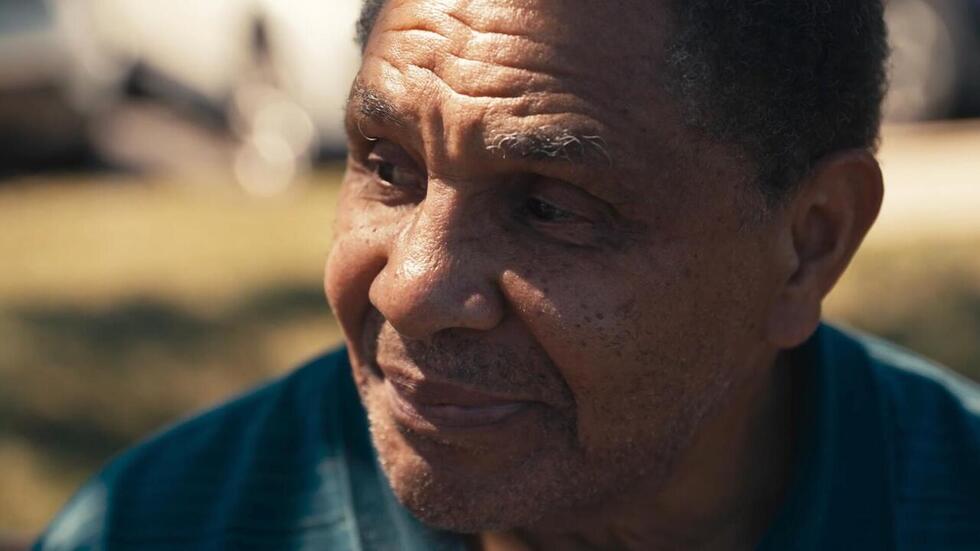
When Freddie Nole arrives outside a prison, he brings more than a ride home. He offers understanding, practical support and the reassurance of meeting someone who knows what it means to walk through those gates after decades inside.
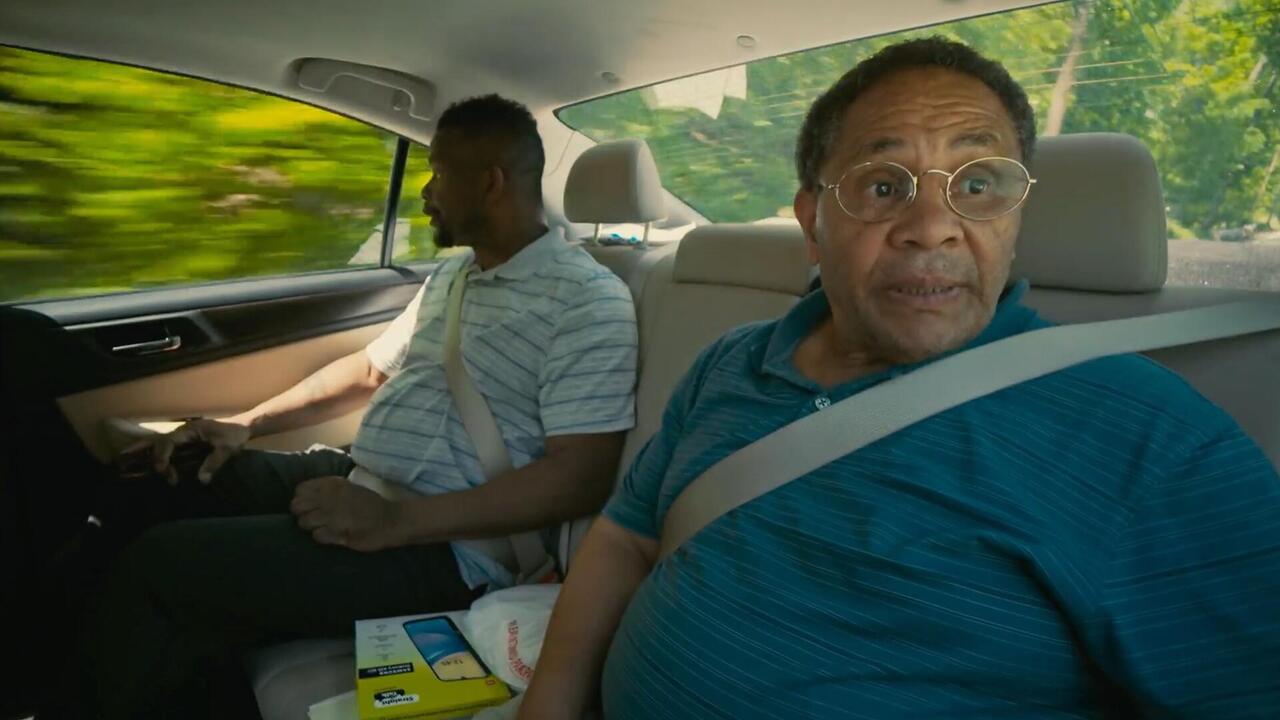
For director Dana Nachman, that simple act became the starting point for The Second Life of Freddie Nole, a vérité documentary short from Sweet World Films. Following Freddie as he collects a newly released man, the film gradually reveals the extraordinary history behind his mission, inviting audiences to meet the person he is today before learning about the mistake that cost him 50 years of freedom.
That order was essential to Nachman’s approach.
“I wanted the audiences to understand the man he is today, and understand that as fully as possible before they heard about his previous life,” she explains.
For a man whose adult life has been defined by a decision made in his youth, the opportunity to be introduced through his generosity carries particular significance. Nachman gives Freddie the space to establish his own identity through what he does for others.
Finding Freddie
The project began when Nachman and her producing partner, Chelsea Matter, were looking for a short documentary they could make with resources remaining from a Disney series. Matter discovered a headline about a man who had spent 50 years in prison and now returned to the gates to help people coming out.
Nachman had previously worked on films involving criminal justice and wrongful conviction. Freddie’s story immediately caught her attention, but meeting him made the decision feel inevitable.
“We got on a Zoom with him, and within less than 30 seconds, we knew we had to tell his story.”
What emerged was a film shaped by Freddie’s outlook as much as his circumstances. Nachman describes someone who rarely dwells on the injustice he experienced, directing his energy towards helping others navigate the transition he knows so well.
The challenge was to honour that perspective while allowing the weight of his past to register.
“We’re really taking a beat from Freddie,” she says.
Meeting the Man Before His History
Nachman arrived at the film’s defining structural decision while flying home to Northern California after filming with Freddie in Philadelphia. His backstory would come later, after audiences had travelled alongside him and witnessed his work.
She recognised the risk. Holding back the most dramatic information might test viewers accustomed to an immediate revelation. Yet leading with Freddie’s past would also repeat a pattern that had followed him for decades: allowing one terrible decision to frame everything that came afterwards.
The title itself helped clarify her intentions. This was a film about Freddie’s second life, and its opening needed to give that life its full attention.
By the time his history emerges, the audience has already encountered his humour, patience and humanity. The revelation deepens an existing relationship with him.
A Journey Built on Trust
The road-trip format offered Nachman a way to capture a moment that is both ordinary and profound: the journey away from prison into an unfamiliar future.
Working observationally meant accepting uncertainty. There would be no guarantee of a particular conversation or emotional breakthrough. The filmmakers needed to trust the people in the car and remain attentive to what unfolded.
Freddie helped establish contact with Ed, the man whose release the film follows. Nachman says the team made clear that the ride would happen whether or not he agreed to participate in the documentary. His willingness to be filmed came from a desire to help others understand the experience.
Despite cameras positioned around the vehicle, Nachman was struck by how naturally those involved behaved. Exchanges between Freddie and Sue, including their bickering early in the film, brought warmth and spontaneity to the journey.
“They were so in the moment of what they were doing that what they were doing was more important than there was a documentary being shot about it,” she says.
That sense of immediacy allows the film’s larger concerns—dignity, reentry and the meaning of freedom—to emerge through human interaction.
Letting Emotion Speak
Nachman often gravitates towards inspirational subjects, but she is careful about how their stories are presented. With Freddie, she wanted audiences to feel the emotional force of his experience without pushing them towards a prescribed response.
Music became an important part of that balance. Working with composer Dave Tweedie, she sought a score that could support the story without overwhelming it. The cue accompanying Freddie’s backstory became a particular favourite, giving the revelation room to land.
The observational footage also provided its own restraint. Freddie and those around him speak directly about their lives; their experiences carry an emotional weight that requires little embellishment.
A Conversation Beyond the Screen
As the film has travelled through festivals including Tribeca, Indy Shorts, HollyShorts and Raindance, Nachman has watched audiences respond to Freddie with an enthusiasm she describes as “Freddie pixie dust.”
Having taken films to festivals since 2008, she says the connection has been exceptional. After screenings and Q&As, viewers gather around Freddie to continue talking, drawn to his knowledge, openness and experience.
For Nachman, those encounters demonstrate the possibilities of short documentary filmmaking. A film can introduce a world in a brief running time, then create space for a much longer conversation.
Her own relationship with Freddie has continued to grow through their travels together. Even after months of screenings, a several-hour drive still offers more to discuss.
Making Freedom Sustainable
Ultimately, Nachman hopes The Second Life of Freddie Nole leaves audiences with a sense that meaningful change is within reach.
Freddie’s work makes that possibility tangible. A ride, a welcome and help navigating those first hours outside prison can become the beginning of a more secure future. His example offers a practical response to an issue that can otherwise feel overwhelming.
At a time when Nachman sees people struggling with division and a sense of powerlessness, Freddie’s mission has become a source of personal hope.
“Every time it gives me hope that we could each do something little and make a big difference,” she says.
Through one journey away from the prison gates, Nachman finds a story about what it takes to help freedom last—and about a man who has made that responsibility the purpose of his second life.

