With breathtaking cinematography, an extraordinarily original story and a deeply moving message, Luka Galle’s Oscar-qualified short deserves a place on the Academy Awards stage.
Every so often, a short film comes along that makes you question why we place so much importance on running time when judging cinematic greatness. Luka Galle’s extraordinary Belgian short THE CATCHER is one of those rare films. With cinematography that rivals major Hollywood productions, an astonishingly original concept and storytelling that stays with you long after the credits roll, this is filmmaking at its absolute finest.
In fact, THE CATCHER is so visually accomplished, so imaginative and so beautifully executed that it could comfortably give some of the films competing for the Academy Award for Best Picture a run for their money. If any short film deserves to walk away with an Oscar this year, this one certainly does.
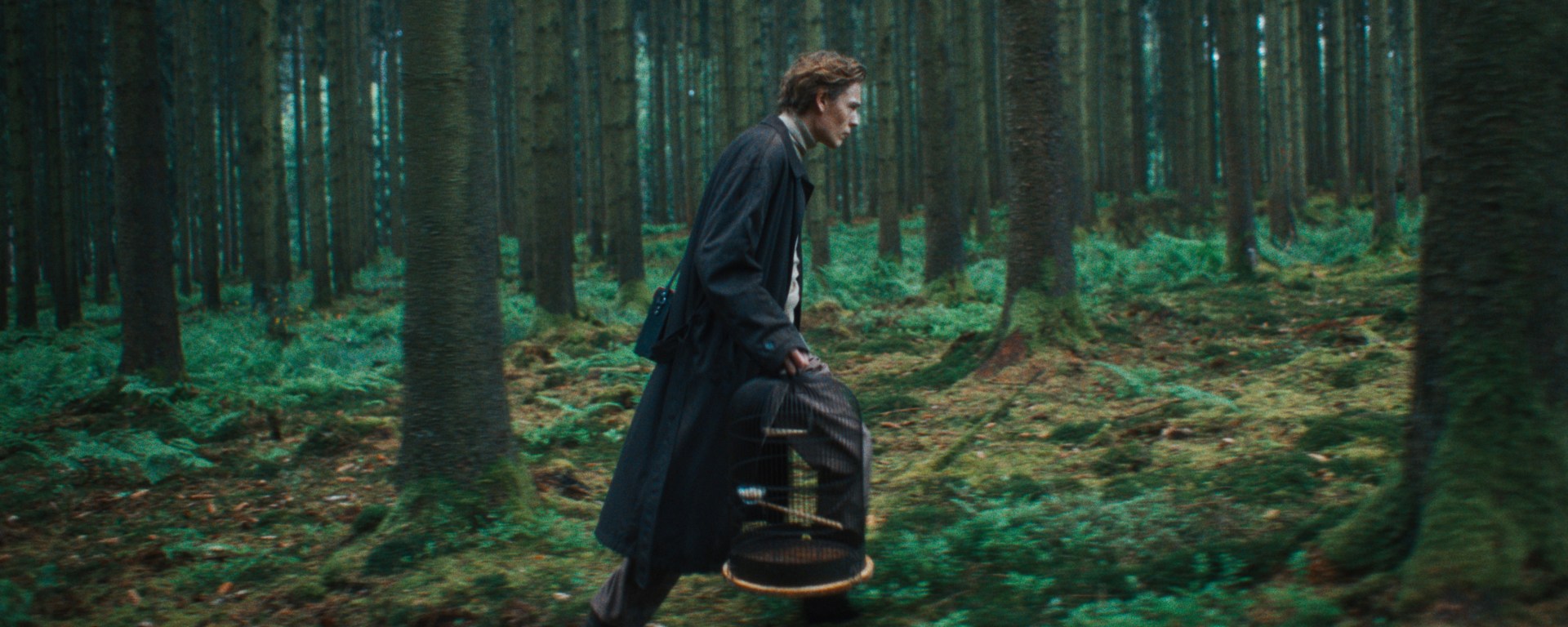
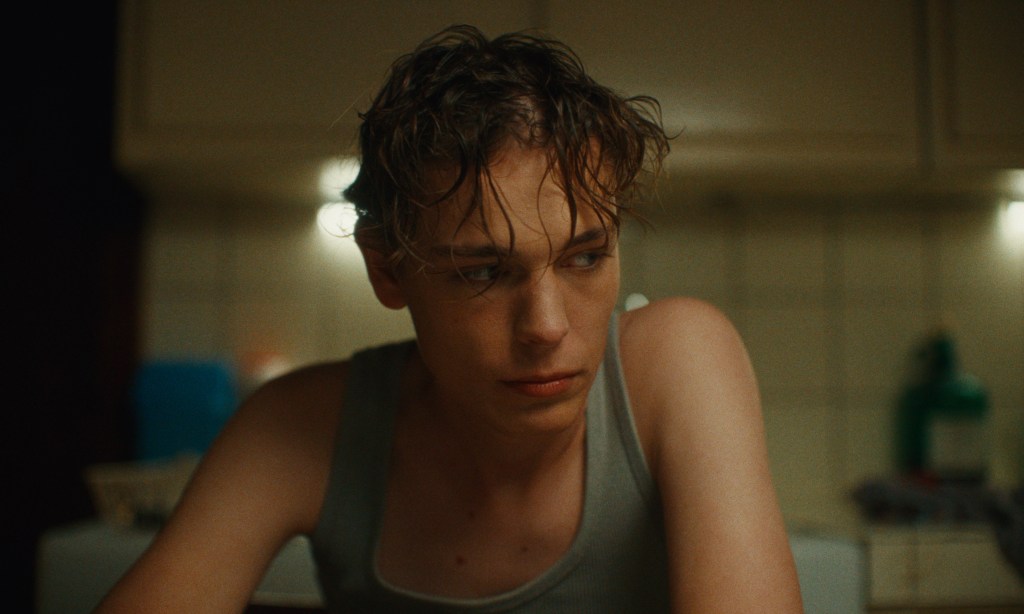
At the centre of this remarkable story is Robin, played brilliantly by Emil Leysen, a lonely young man employed by the government to capture invisible birds. It is a premise unlike almost anything you will have encountered before, yet beneath its wonderfully surreal surface lies something profoundly human. Robin is a man who feels invisible himself, overlooked by society and desperate for the connection that so many of us take for granted.
What makes THE CATCHER so exceptional is the way Galle transforms this unusual idea into something deeply emotional without ever losing the magic or mystery of his imagined world. The invisible birds become a beautiful metaphor for loneliness, belonging and the universal desire to be noticed, valued and loved.
The cinematography is simply outstanding. Cinematographer and co-producer Gilles Mosar creates a visual world of extraordinary beauty, with every frame feeling as though it belongs in a major theatrical feature. The lighting, composition, atmosphere and attention to detail are exceptional. There is a richness to the imagery that elevates the film beyond the expectations of the short-film format, demonstrating that cinematic ambition has absolutely nothing to do with budget or running time.
It comes as little surprise that Mosar received the Best Cinematography award at Brussels Short Film Festival. His work is not simply beautiful to look at; it is integral to the storytelling, capturing Robin’s isolation and the strange beauty of the world around him with remarkable sensitivity.
Equally impressive is Galle’s direction. Having established himself through music videos and commercial filmmaking, he brings an extraordinary visual confidence to his first major narrative fiction project. There is nothing tentative about THE CATCHER. It feels like the work of a filmmaker who knows precisely what he wants to say and, perhaps more importantly, exactly how to say it through the language of cinema.
The performances are equally compelling. Leysen brings a wonderful vulnerability to Robin, creating a character whose loneliness feels painfully authentic despite the fantastical circumstances surrounding him. Alongside Mieke De Groote, Kris Cuppens and Damla Cengiz, he helps ground this extraordinary world in genuine human emotion.
Ruben De Gheselle’s beautiful score adds another layer of magic, complementing the film’s visual poetry without overwhelming its quieter, more intimate moments. Every element works together with the kind of precision and artistic harmony that even much larger productions struggle to achieve.
There is also something particularly refreshing about seeing a film that refuses to follow conventional storytelling formulas. At a time when audiences are so often presented with familiar narratives, predictable endings and recycled concepts, THE CATCHER reminds us of the limitless possibilities of cinema. It is daring, imaginative, emotionally intelligent and completely original.
But perhaps its greatest achievement is its ability to make us reflect on our own lives. How many people do we pass every day without truly seeing them? How many individuals quietly struggle with loneliness while the world continues around them? And how often do we overlook the very connections that could change someone’s life?
THE CATCHER explores these questions with extraordinary tenderness, never preaching or forcing its message. Instead, it invites audiences into a world that initially seems impossible, only to reveal emotions that could not be more real.
The film has already earned 11 awards across 23 festival appearances, including the Golden Hypatia Award for Best International Fiction Film at the Alexandria International Short Film Festival in Egypt, which secured its Oscar qualification. Its international recognition is thoroughly deserved, but one cannot help feeling that its greatest moment may still be ahead.
It is astonishing to think that Galle has already written a feature-length version of THE CATCHER. If this short is any indication of what he can achieve on a larger canvas, audiences have something truly special to look forward to.
THE CATCHER is not merely an outstanding short film. It is an outstanding film, full stop. It possesses the originality, visual sophistication, emotional depth and artistic confidence that we celebrate in the very best cinema, regardless of length.
The Academy Awards exist to recognise exceptional filmmaking, and this is precisely the kind of bold, visionary work that deserves that recognition. Short films are too often treated as stepping stones towards feature filmmaking, but THE CATCHER demonstrates that they can be masterpieces in their own right.
Luka Galle has created something genuinely unforgettable. Beautiful, haunting, inventive and deeply moving, THE CATCHER is a reminder of why we fall in love with cinema in the first place.
If there is one live-action short film that deserves to hear its name announced on Oscar night, THE CATCHER has made an extraordinarily compelling case.
★★★★★ — Five stars. An exceptional achievement in filmmaking and an Oscar-worthy cinematic gem.
Margaret Brown

