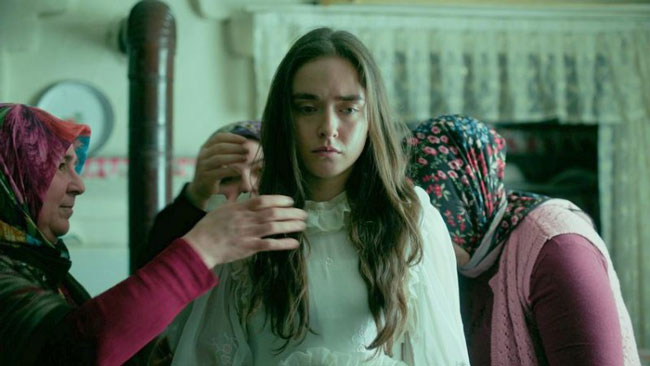
Emir Kumova’s Oscar-qualified Turkish short is a quietly devastating examination of complicity, using the setting of a village wedding to expose the uncomfortable distance between recognising injustice and finding the courage to challenge it.
There is something deeply unsettling about a celebration in which everyone seems to know that something is wrong, yet nobody is prepared to say so. In a remote Turkish village, a young teacher arrives at a wedding expecting an ordinary social occasion. Instead, he encounters Ayşe, the young bride, and begins to understand the disturbing reality beneath the festivities. What follows is a tightly controlled drama that finds its greatest strength in the things people choose not to say.
Writer-director Emir Kumova makes a compelling choice in telling this story through the eyes of Ramazan, an outsider who gradually becomes aware of what is happening around him. The film is not simply about child marriage, but about the network of silence that allows it to continue. Tradition, family expectations and social pressure become excuses for looking away. And as Ramazan finds himself increasingly uncomfortable with what he sees, the audience is drawn into the same moral dilemma. Knowing something is wrong is one thing. Deciding what to do about it is quite another.
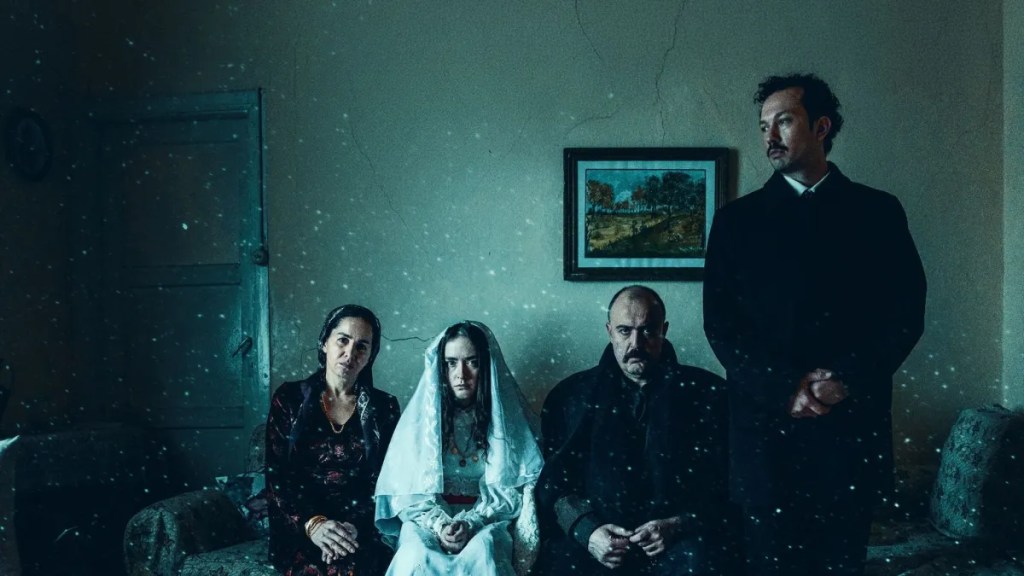
What makes THE WITNESS particularly effective is its refusal to treat the subject as an abstract social issue. Kumova locates the horror in an everyday setting, where a wedding should represent happiness, family and new beginnings. That contrast gives the film much of its emotional power. The celebration continues, the people remain gathered, and the normality of the occasion becomes increasingly difficult to bear. It is a disturbing reminder that some of the most damaging injustices are sustained not by extraordinary acts of cruelty, but by ordinary people deciding that intervention is not their responsibility.
Efecan Şenolsun anchors the film with a performance that gives Ramazan’s growing unease a human dimension. Supported by Deniz Hamzaoğlu, Bihter Dinçel and Bilge Yılmaz, the ensemble helps create a convincing sense of a community bound together by relationships and expectations that are difficult to challenge. Evren Gündoğdu’s cinematography complements the contained storytelling, allowing the atmosphere to do much of the work without overwhelming the film’s central dilemma.
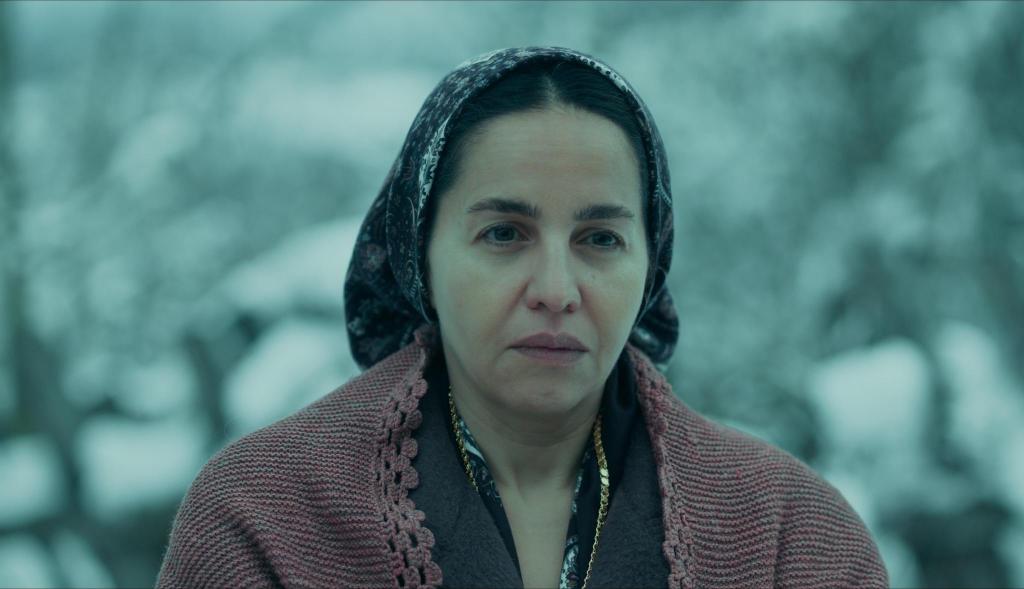
There is considerable maturity in Kumova’s approach. He understands that a film about injustice does not always need to announce its message. Sometimes the most effective way to make an audience uncomfortable is to place it in a position where it must question its own response. THE WITNESS does exactly that. Its title becomes increasingly meaningful as the story unfolds, turning a seemingly passive role into a question of moral responsibility.
THE WITNESS is a short film that deserves serious attention. It is an assured piece of filmmaking from Kumova, with a subject that demands to be seen and a central idea that lingers well beyond its 14-minute running time. Highly recommended, not simply for the issue it brings to the screen, but for the difficult question it leaves behind: when we witness an injustice and remain silent, how different are we from those allowing it to happen?
Marc Johnson 10/10

