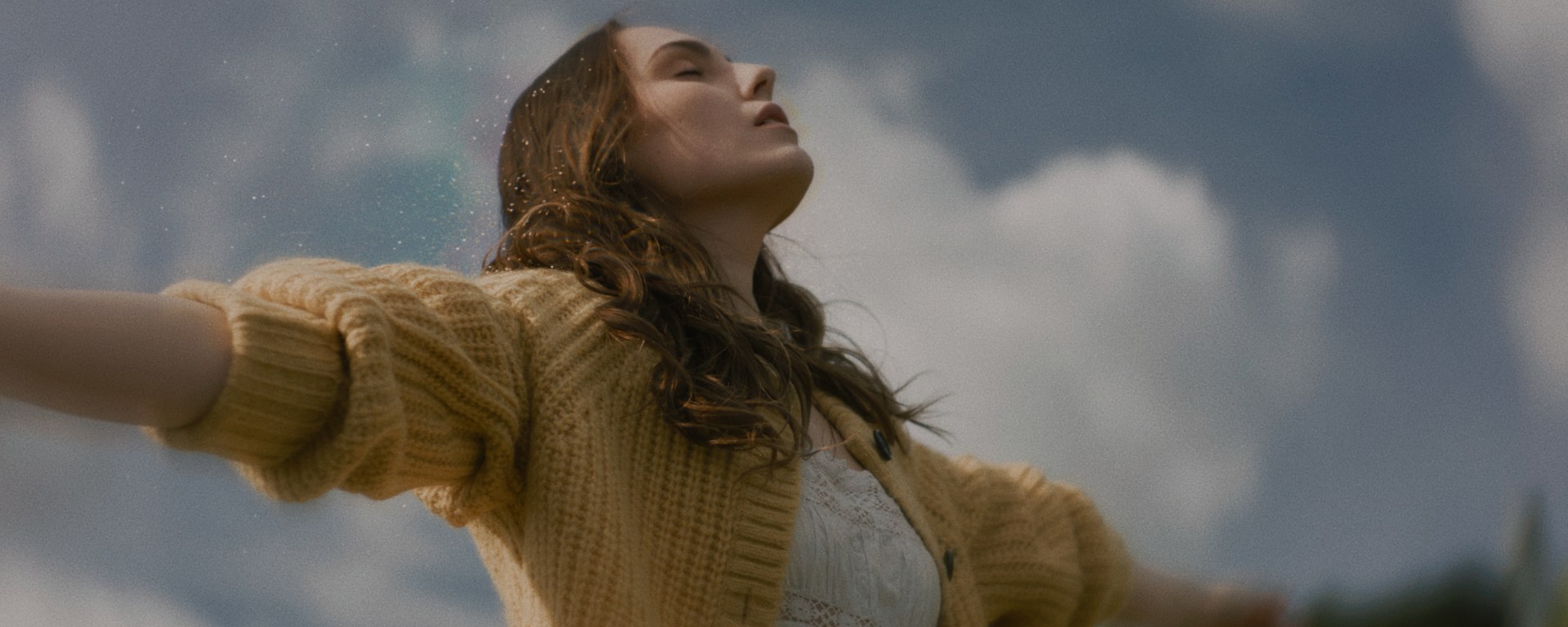
The filmmaker behind the HollyShorts World Premiere discusses blending romance and science fiction, creating an idyllic world that gradually turns unsettling, the influence of more than a decade making cinematic music films, and his approach to visual storytelling.
With CELESTE IN THE SUMMER, writer-director Hobby Holmes takes what initially appears to be an idyllic summer romance and gradually reveals something far more unsettling beneath the surface. Starring Alice McMillan and Freddy Carter, the short blends romance and science fiction to explore love, memory, identity and the increasingly blurred line between devotion and control.
The film marks another step in Holmes’ development as a narrative filmmaker following more than a decade directing cinematic music films through Mahogany Sessions, where he worked with artists including Billie Eilish, Hozier, Florence Welch, Leon Bridges, Ludovico Einaudi and Olivia Dean. With limited dialogue and an emphasis on atmosphere, music and visual storytelling, CELESTE IN THE SUMMER reflects Holmes’ interest in creating immersive cinematic experiences that allow audiences to discover the story alongside the characters.
Ahead of the film’s World Premiere at HollyShorts, Holmes discusses the origins of the story, creating its heightened visual world, working with McMillan and Carter, and why he is more interested in leaving audiences with questions than answers.
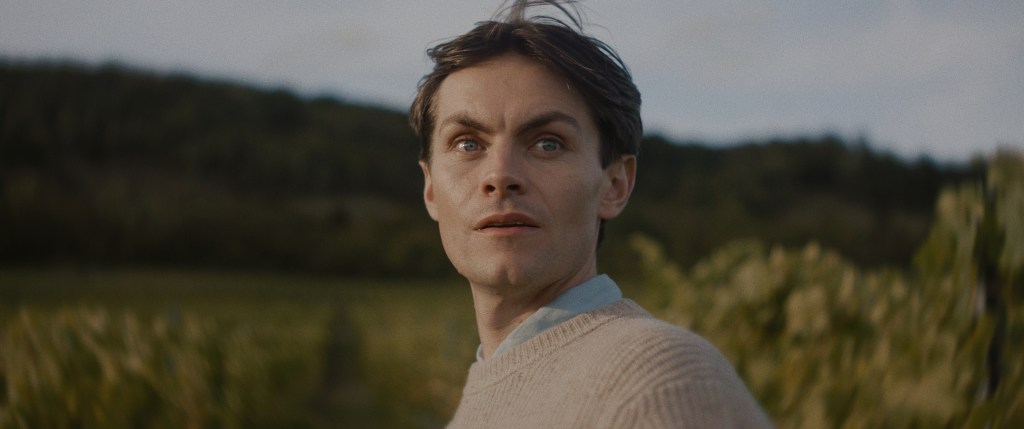
CELESTE IN THE SUMMER begins as an idyllic romance before gradually revealing something far more unsettling. What attracted you to using science fiction as a lens through which to explore love, memory, and control?
I initially wanted to tell a love story and place it in this really idyllic summer setting. I’m a massive fan of sci-fi and have worked within the genre before, and I think what I like about it is that it gives you a way of exploring very human emotions from a slightly different angle.
Once the sci-fi element came into the story, it allowed me to take what looked like this romantic relationship and begin questioning it. What happens when love becomes projection, or protection becomes control? You can start with something very familiar and then slowly pull it apart.
“What happens when love becomes projection, or protection becomes control?”
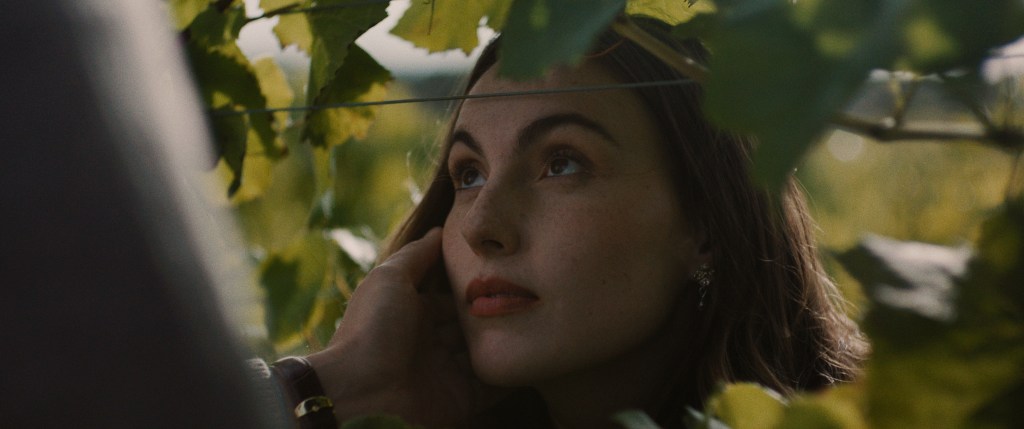
The film asks audiences to question whether devotion can quietly become possession. Why did you want to explore that tension, and what do you think it reveals about modern relationships?
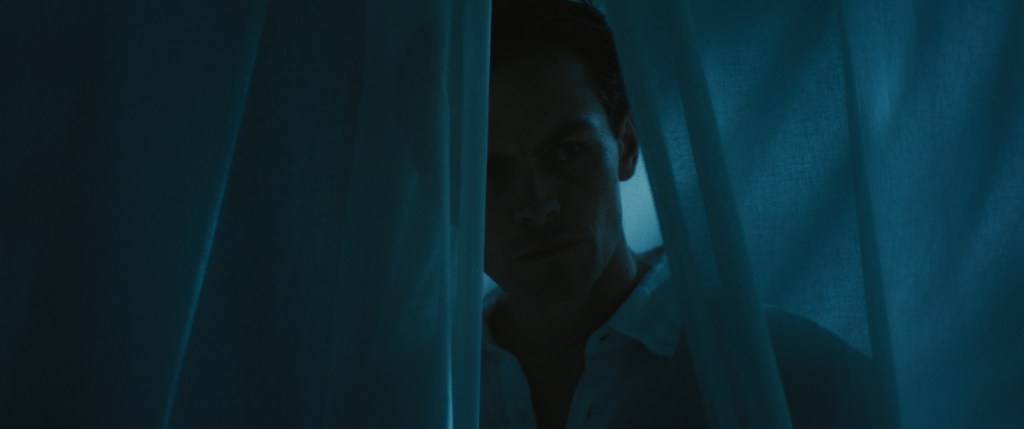
I was interested in that line between loving someone and wanting to define or possess them. Michael genuinely believes what he is doing comes from a place of love and protection, which I think makes it much more interesting than if he simply saw himself as the villain.
There’s something quite universal about the way we can idealise people and project an idea of who we want them to be onto them. In the film that idea is obviously pushed somewhere much more extreme, but the emotion behind it is very human.
“Michael genuinely believes what he is doing comes from a place of love and protection.”
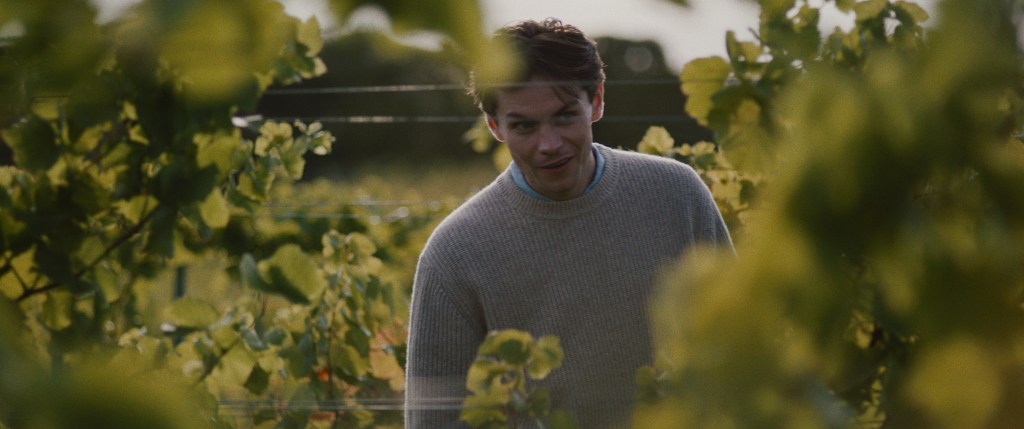
Before moving into narrative filmmaking, you spent more than a decade directing cinematic music films through Mahogany Sessions. How has that background shaped your approach to visual storytelling, rhythm, and emotion in CELESTE IN THE SUMMER?
It’s definitely given me a strong visual foundation. Working in music for such a long time, you become very aware of how much you can communicate through an image, a piece of music or a change in rhythm without necessarily having to explain it through dialogue.
I think I’ve carried some of that into my narrative work. I’m very interested in creating a feeling and a world for the audience to step into. With CELESTE, I wanted you to almost get lost in the beauty and romance of it before things start to shift underneath you.
The challenge with narrative obviously is making sure the visuals are always serving the story rather than existing for their own sake, which is something I’m continuing to learn.
“I’m very interested in creating a feeling and a world for the audience to step into.”
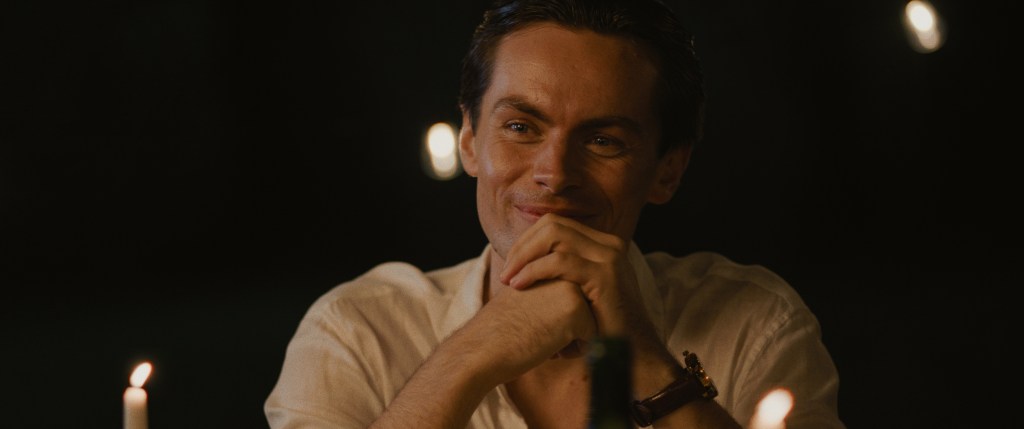
The film creates a world that feels both familiar and subtly unreal, with limited dialogue and a strong emphasis on atmosphere. How did you approach building that heightened visual language while keeping the emotional journey grounded?
We wanted the world to feel almost too perfect initially. The location, the light, the clothes, the dinner, the friends and the acoustic guitar. Everything needed to feel idyllic enough that you accepted it without questioning it too much.
Then you can start introducing very small things that feel slightly off rather than suddenly announcing that you’re in a science-fiction film. The French was a tool for that.
The grounding always came from Celeste for me. However heightened the world became, we needed to stay with what she was feeling and gradually experience that sense of unease through her. If you believe her emotional journey, then hopefully you can go quite far with the world around her.
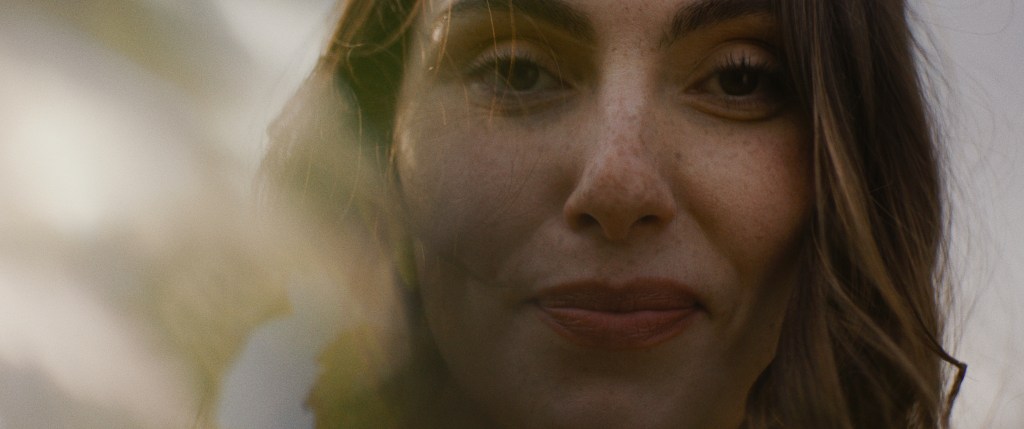
Without making technology the central focus, the film touches on questions surrounding artificial intelligence, memory, and constructed realities. What interested you in using these ideas to reflect human behaviour rather than simply speculate about the future?
The technology was never really the thing I was most interested in. It was more about what people might choose to do with it. AI opens up all these enormous questions about the future, but ultimately people are still going to be driven by the same things they always have been — love, desire, fear, grief, jealousy, the need to hold onto something.
That was much more interesting to me. The technology enables Michael’s behaviour, but the reason he uses it is completely human. In that sense, the sci-fi is really just a way of exploring something that already exists in us.
“The technology enables Michael’s behaviour, but the reason he uses it is completely human.”
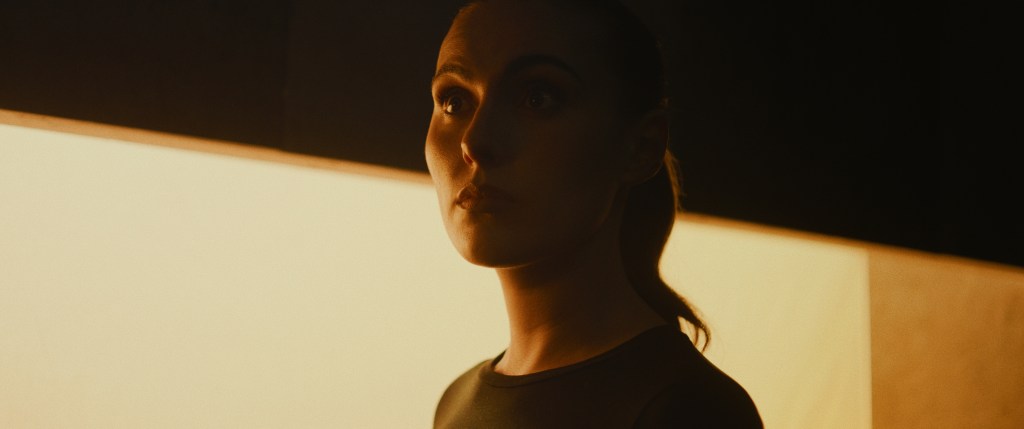
Alice McMillan and Freddy Carter deliver performances that shift from tenderness to psychological unease. What were your conversations with them about maintaining that emotional balance as the illusion of the relationship begins to fracture?
A lot of it was about not playing the turn too early or stringing the audience along for long enough for it to be believable. The relationship has to feel genuine and affectionate at the beginning or the rest of the film doesn’t really work.
With Alice especially, Celeste’s journey happens quite gradually and a lot of it isn’t expressed through dialogue, so it was about finding those small moments where something starts to feel wrong without suddenly changing the performance completely. And with Freddy, it was important that Michael didn’t become obviously sinister. He believes in what he’s doing, so there still needed to be warmth and sincerity there even as our understanding of him begins to change.
Both of them really understood that balance and brought a lot to it during prep and on the shoot.
“The relationship has to feel genuine and affectionate at the beginning or the rest of the film doesn’t really work.”
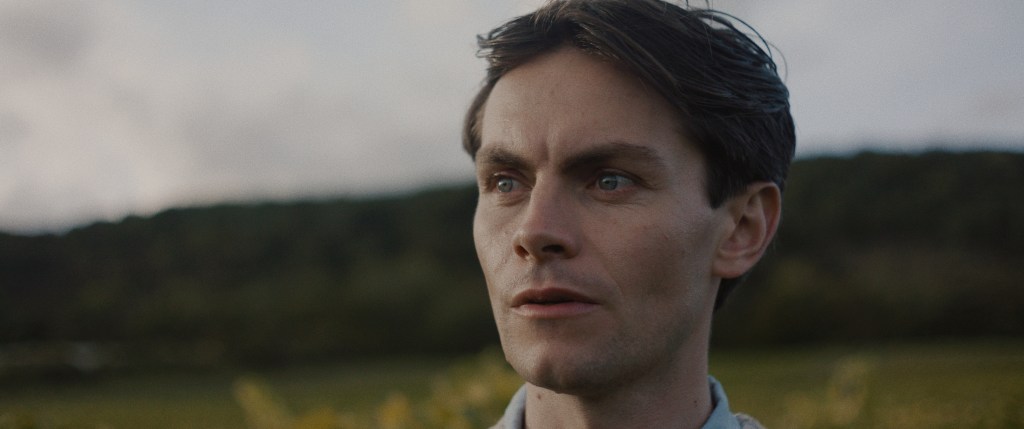
Much of the film’s emotional impact comes through its sound design and score rather than dialogue. How closely did you collaborate with your composer and sound team to shape the audience’s experience of the film?
Very closely. Because there isn’t loads of dialogue, sound becomes another way of telling the audience how the world is changing.
I didn’t want the film suddenly to switch from romance into obvious sci-fi, so a lot of the work was about subtly changing the feeling underneath the images. Me and the composer Alex Marchisone wanted it to go from feeling like a period film to something more industrial and related to sci-fi. The shift is hopefully subtle enough you don’t notice it but guides you along.
“Because there isn’t loads of dialogue, sound becomes another way of telling the audience how the world is changing.”
CELESTE IN THE SUMMER will make its World Premiere at HollyShorts Film Festival. What conversations do you hope audiences are having after they leave the screening, and what does this premiere represent for you as you continue developing your voice as a narrative filmmaker?
I’d rather people leave with questions than one very clear message. Hopefully they’re talking about Michael and Celeste and questioning where the line sits between love, protection and control, and perhaps reconsidering parts of the film once they know what has actually been happening.
On a personal level, having the film premiere at HollyShorts means a huge amount. It’s one of the biggest short-film festivals in the world, so to have the film there and finally see it with an audience in LA feels like a really exciting step.
I’m still developing what my voice is as a narrative filmmaker, but I think CELESTE reflects the kind of work I want to make — very human stories with music playing a huge part where we explore slightly heightened, surreal or genre worlds.
“I’d rather people leave with questions than one very clear message.”

