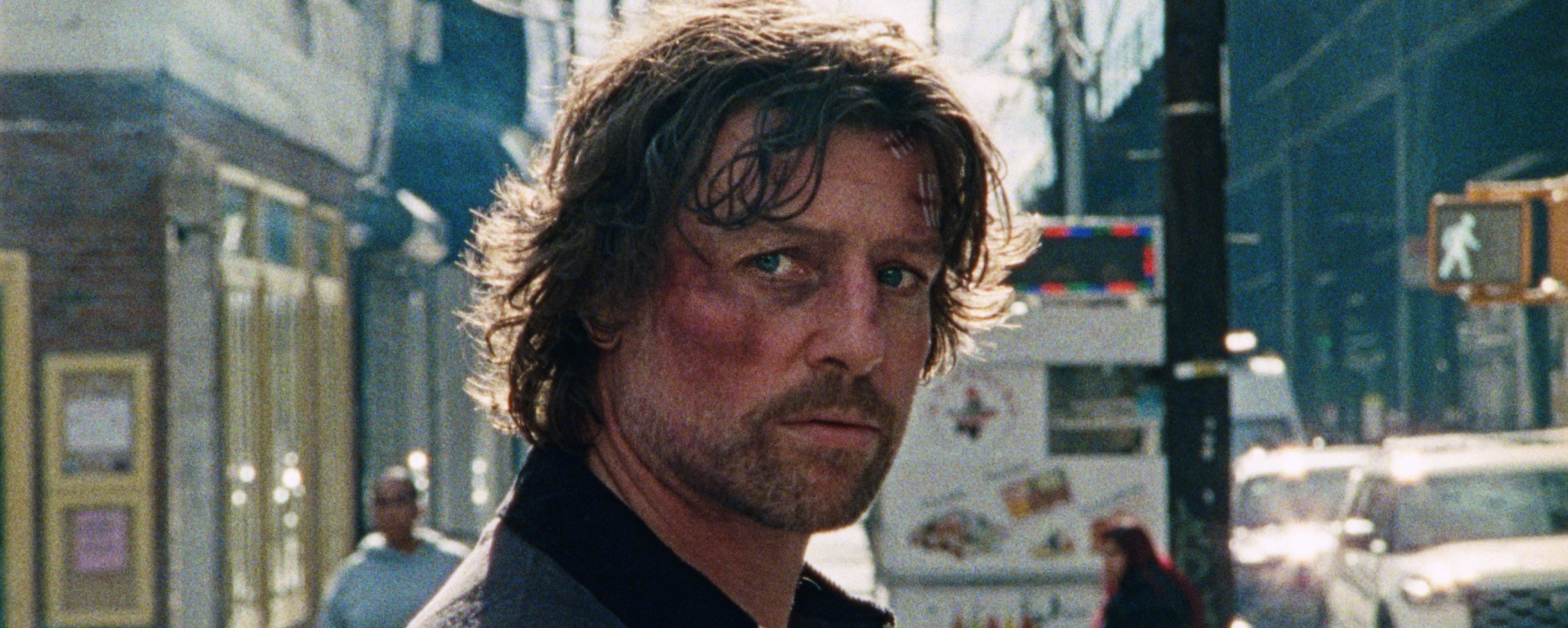
Ahead of the psychological drama’s World Premiere at HollyShorts, the filmmaker discusses the personal tragedy behind the film, casting former professional boxer John Duddy, its visual language and the feature adaptation now in development.
Jeremy Max’s BLEEDER began during a period when the filmmaker found himself questioning his relationship with the things he had once loved most. That introspection became the foundation for a psychological drama about a man who deliberately subjects himself to physical pain in an attempt to escape emotional suffering.
Starring former professional boxer John Duddy, the film explores trauma, masculinity, grief and self-punishment, ultimately asking whether confronting pain may be the only way to move beyond it. The short will make its World Premiere at the HollyShorts Film Festival and is also serving as a proof of concept for a feature currently in development.
We spoke with Max about the personal experiences that shaped BLEEDER, finding the right actor to embody its complicated protagonist, creating two contrasting visual worlds and what he hopes audiences take away from the film.
“I wanted to create a character who literally lives in a perpetual state of pain.”
BLEEDER explores the idea that physical pain can become a way of masking emotional trauma. What first inspired this concept, and what drew you to tell that story through this particular character?
The idea came from a very strange time in my life. I was at a place where I had stopped finding joy in the things I once loved, like going to the movies, my first and biggest love. It started to feel dull and listless, almost like watching movies had become homework.
That got me thinking about myself in a vacuum and questioning why I was engaging in things I no longer enjoyed or found pleasure in. That eventually evolved into the idea of a man who quite literally lives in a perpetual state of pain. What if the pain he endured was so intense that it actually helped numb his emotional wounds?
Around the time this story first took shape, my family experienced a personal tragedy, and that became the emotional nucleus of the story.
I thought having Bleeder, the titular character, as the vessel for the story made sense because we experience all of that pain through him subjectively. Having him find a path toward absolution despite engaging in self-flagellation felt like a very unique direction.
I also wanted to give my character a win so I could heal some of the personal suffering I was going through in my own life.
“I’m interested in people and their rich, intense struggles.”
Your films often examine people navigating profound identity crises. What is it about characters at emotional breaking points that continues to inspire your storytelling?
I’m interested in telling stories about people and their rich, intense struggles. Human suffering is universal, but everyone copes with it differently. I’m fascinated by the strange ways people transform after a life-altering event.
It can take the most banal situations and completely flip them on their head.
What interests me most is how people choose to move forward after something like that. In all of my films, we find my characters at the nexus of their breaking point. How they deal with that struggle is what I find so compelling.
When you’re playing around in the sandbox of your film with your characters, you can make choices that feel strange or even unnatural, yet still feel entirely human.
“If I punish myself through physical pain, I can numb my emotional pain.”
The film ultimately suggests that healing comes not through punishment, but through human connection. How important was it for you that the story moves beyond darkness to offer hope?
I think most characters in stories have a lie formed by a past experience that shapes their present worldview. For Bleeder, it was important to establish that he believed a lie: “if I punish myself through physical pain, I can numb my emotional pain.”
I wanted to extrapolate this lie throughout the story.
Bleeder is a very self-righteous character. He thinks he needs to shoulder the weight of both his and his wife’s suffering. But when he allows her in, he’s ultimately able to move beyond that darkness and into a hopeful future.
“John was a hand-in-glove fit for this film.”
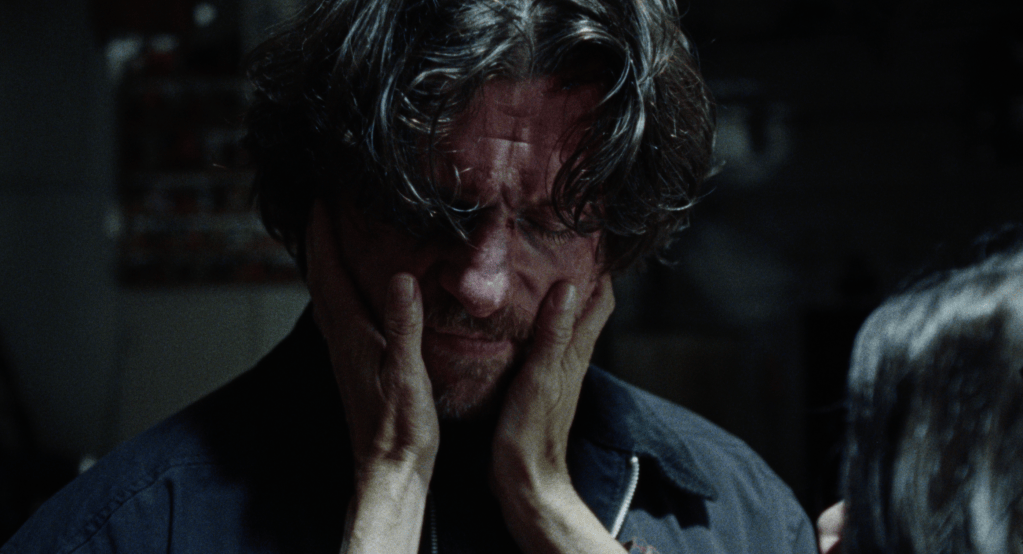
John Duddy’s own journey from professional boxing to acting echoes many of the themes explored in the film. What made him the right person to lead this story, and how did his life experience shape the character?
John was a hand-in-glove fit for this film. The fictional backstory of the character had him as a rugged former boxer. I was struggling to cast this role and felt like it would be an absolute impossibility to get right.
Then my DP David Foy, who had read the script, mentioned he had the perfect guy for the role. I called BS, but he insisted I meet with the man himself, John Duddy, who happened to be a former boxer himself.
When I met with John it was clear we were in lockstep with one another about the character and the larger plotting of the film.
He agreed to do it despite not wanting to play boxing-adjacent characters. He loved the emotional quality of the film and what I was saying with it.
John pulled a lot from his personal life for this character and I am so honoured that he graciously shared that with both myself and the audience.
“I wanted to create an experience that could flip between two different styles.”
Your work blends grounded realism with elements of surrealism and catharsis. How did you approach the visual and emotional language of BLEEDER to reflect the protagonist’s internal struggle?
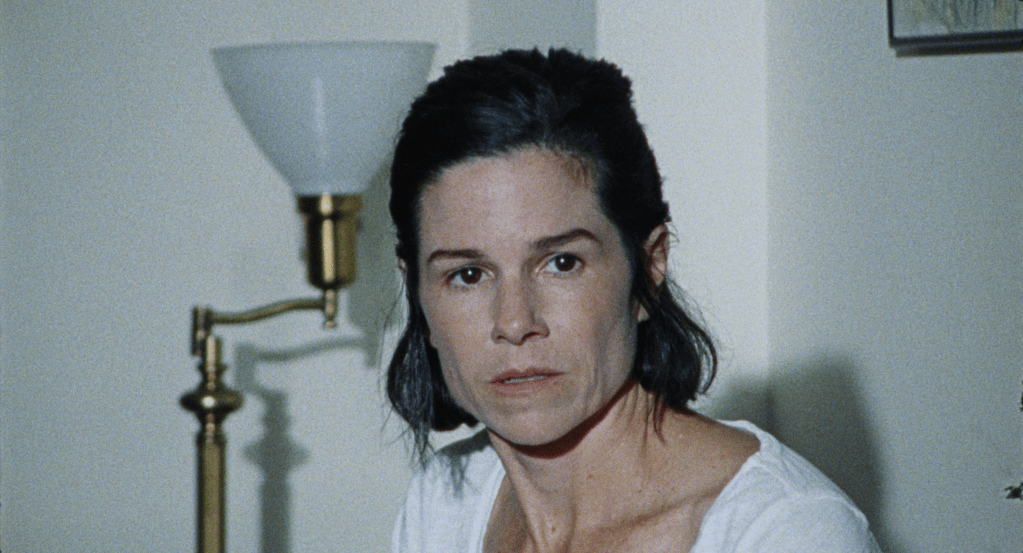
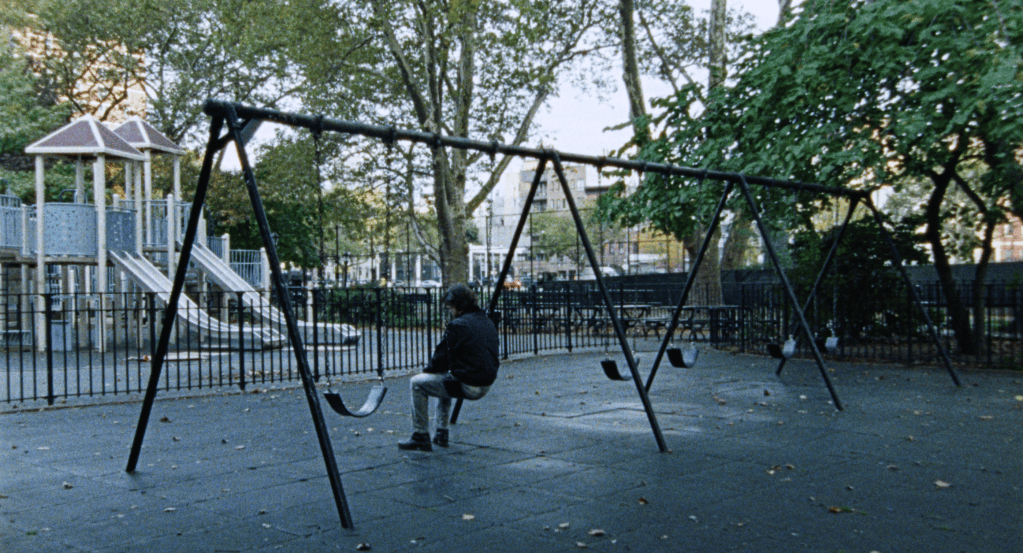
I wanted to create an experience that could flip between two different styles: one that was far more expressionistic when watching Bleeder get beaten up, and one that was entirely impressionistic when he is with his wife.
These two worlds he occupies make it so that he is never truly in one consistent state of mind. That adds to the constant struggle he has with confronting his emotional trauma.
It’s not until these worlds collide that Bleeder can finally learn how to move forward. This was all incredibly deliberate and pointed.
“There is so much uncharted territory within this world.”
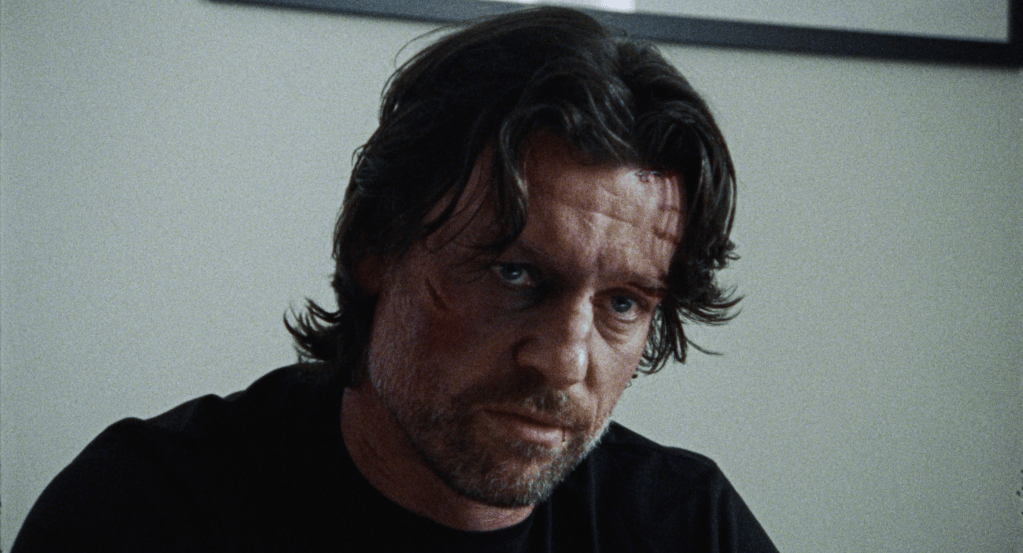
BLEEDER is also serving as a proof of concept for a feature adaptation. Did developing the short change your understanding of the larger story you want to tell, and how do you see that world expanding?
It wasn’t until I was deep in pre-production for the short that I realised this could be developed into a feature.
I distinctly remember having a conversation with my producer, Scott Aharoni, where he asked me what was next, and I told him I’d really love to expand this into a longer story.
I think there is so much uncharted territory within this world. It’s so unique and moody, and I really think a broader story could become something really special.
We are currently in the late stages of development, and the story is shaping up extremely well. I can’t wait to revisit this world.
“I think the first step is acknowledging our pain.”
Conversations around masculinity and mental health have evolved significantly in recent years. Where do you hope BLEEDER fits within those wider cultural discussions, particularly around vulnerability, shame, and emotional resilience?
I don’t want to overgeneralise, but I think there are men who have an inherently difficult time being vulnerable about their mental health struggles.
I think we’re taught from a young age that we’re not allowed to express certain emotions, and that forces us to repress our deeper issues. Through that repression, we can slowly lose ourselves.
For Bleeder, I believe that seeing a man go through that journey — where he believes physical suffering will silence his emotional wounds, only to realise that was a lie he learned — will resonate with people who are dealing with their own suffering in a similar way.
I think the first step is acknowledging our pain. From there, we can begin working through it and claw our way toward emotional resilience.
“I hope audiences feel a sense of resolve for what lies ahead for him.”
BLEEDER will make its World Premiere at HollyShorts Film Festival. What does this premiere represent for you at this stage in your career, and what do you hope audiences leave thinking about after experiencing the film?
Being able to premiere at HollyShorts is an honour. It’s an incredible feather in my cap and hopefully one of many to come.
HollyShorts has provided a unique platform for so many tremendous filmmakers, and it’s an honour to be amongst that calibre of talent.
I hope audiences walk away feeling deeply moved by the journey Bleeder goes on. They may feel a deep sense of sympathy for him and grief for his suffering, but I also hope they feel a sense of resolve for what lies ahead for him.

