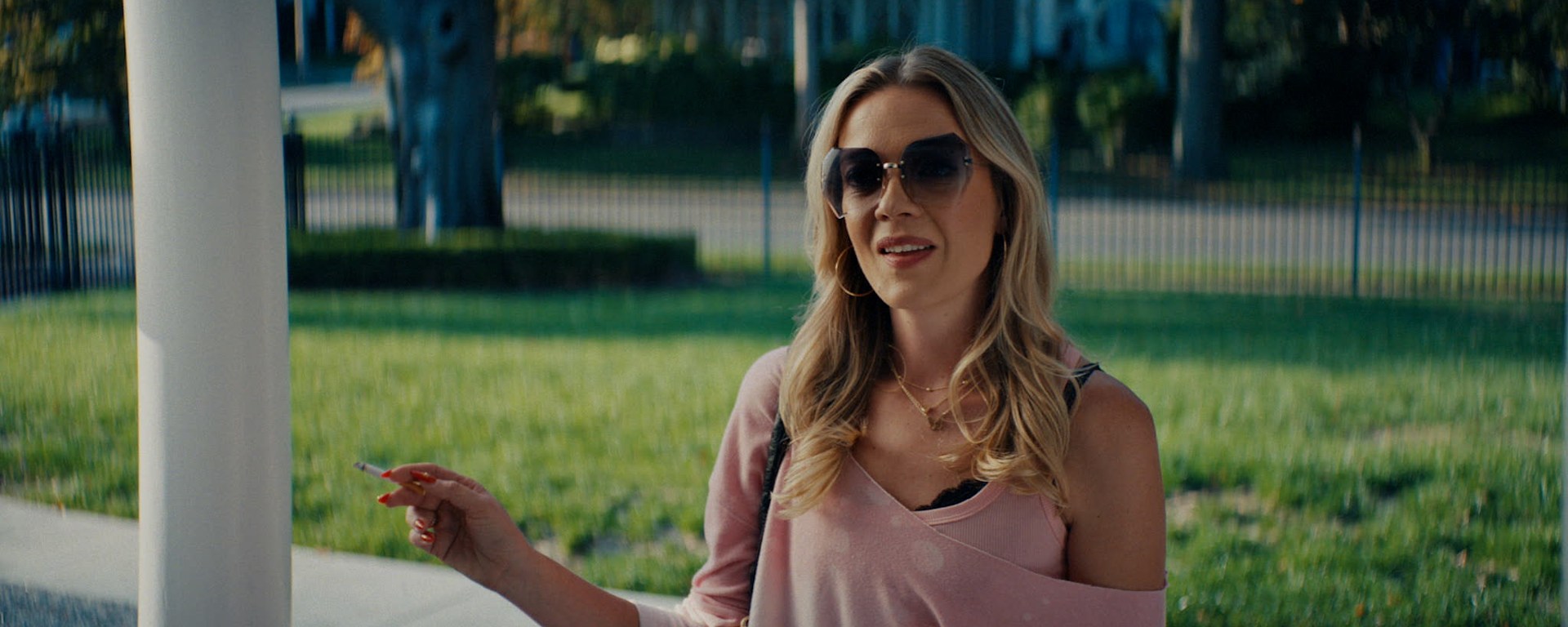
Premiering at the Tribeca Festival, FAULT is an emotionally charged drama inspired by actress Coco Jourdana’s own experiences. Rather than focusing solely on the abuse itself, the film explores the lasting effects of trauma, examining how survivors navigate healing, identity, and resilience long after the initial experience.
Set against the intensely competitive world of professional tennis, FAULT uses sport as both a literal setting and a metaphor for the psychological battles its characters face. Developed over more than two years alongside writer-director Misha Calvert, the film seeks to contribute to wider conversations around abuse, accountability, and the importance of listening to survivors.
In this exclusive interview, Jourdana discusses transforming deeply personal experiences into cinema, the healing power of performance, and what she hopes audiences will take away from the film.

FAULT is inspired by your own experiences. What made you decide that this was a story that needed to be told through film, and why did now feel like the right time to tell it?
Coco Jourdana: As an actress and artist, telling powerful stories through film has always been the best way for me to express feelings and emotions. When I decided I wanted to share my personal story with the world, it felt natural that it had to be done on screen. The timing also felt right because I’d had the opportunity to process everything, live through it, and truly understand how the experience shaped the person I’ve become today.
When I decided I wanted to share my personal story with the world, it felt natural that it had to be done on screen.
The film explores the lasting impact of abuse rather than focusing solely on the abuse itself. Why was it important to examine what happens after trauma and how it continues to shape a person’s life?
Jourdana: Trauma is never just a single moment—it’s something that stays with you. It shapes who you are for life, even if you don’t immediately recognize it. Exploring that was essential with FAULT. Through Steph, we see how trauma can quietly take over your emotional well-being, even when you’re unable—or unwilling—to acknowledge it.
Trauma is never just a single moment—it’s something that stays with you
As both the inspiration for the story and one of its lead performers, how did you navigate the emotional challenges of revisiting such deeply personal material during the filmmaking process?
Jourdana: It was definitely challenging at times not to let the emotions completely overtake me. At the same time, making this film became incredibly healing. It allowed me to revisit those experiences in a way that felt controlled, through my art. There was something very freeing about that.
If you’ve seen the film, you’ll know the screaming scene is incredibly powerful. For me, filming that moment was life-changing. It felt like the first time I truly voiced the pain I had been carrying for so long.

One of the film’s most striking elements is its exploration of how survivors can respond to the same experience in radically different ways. What conversations did you hope to spark through that perspective?
Jourdana: I wanted audiences to understand that no two experiences are the same, and healing is never linear. Some people process trauma quickly, while for others it can take years—or even a lifetime.
I hope people let go of judgment, both toward others and toward themselves. There isn’t a roadmap for healing. Everyone deserves kindness and patience because recovery takes exactly as long as it’s supposed to take.
I hope people let go of judgment, both toward others and toward themselves
FAULT arrives at a time when conversations around abuse, power, and accountability continue to evolve. How do you see the film contributing to those wider discussions?
Jourdana: I hope FAULT encourages people to keep talking about abuse. We live in a world where it’s so easy to move on to the next headline before real change happens. Accountability matters, and we can’t continue looking the other way.
I hope people continue making films, writing stories, and using their voices to ensure these conversations don’t disappear.
I hope people continue making films, writing stories, and using their voices to ensure these conversations don’t disappear.
The world of elite sport has increasingly come under scrutiny for systems that can enable abuse to remain hidden. What drew you to setting this story within professional tennis?
Jourdana: Tennis felt like the perfect metaphor for the story we wanted to tell. It’s an incredibly competitive and often very lonely sport. It beautifully reflects both Steph’s internal struggle and her external battle with Gigi and her coach.
The match between Gigi and Steph is the moment when everything that’s been buried finally begins to crack open.
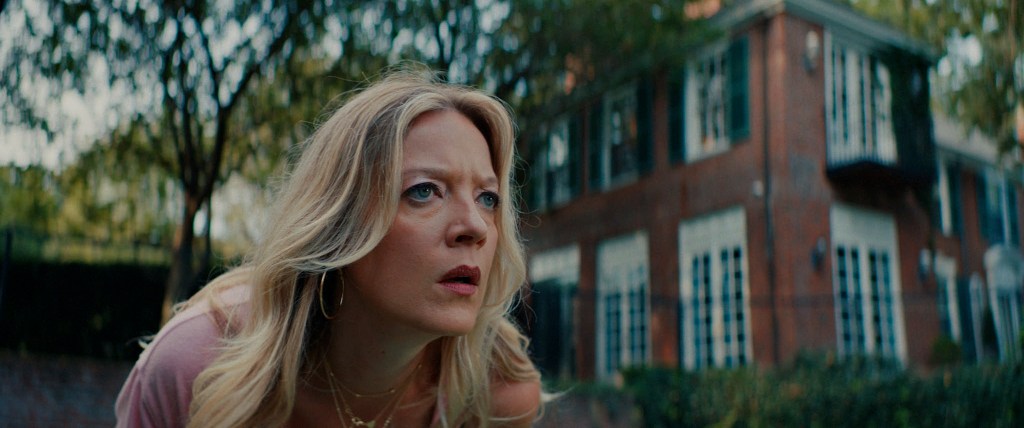
Working closely with writer-director Misha Calvert, how did you ensure the film remained emotionally truthful while also functioning as compelling cinema rather than simply personal testimony?
Jourdana: Misha and I worked on the story and script for more than two years. There were countless drafts, conversations, and moments of trial and error. She was incredible at helping me navigate my own emotions while making sure the story remained authentic without becoming purely autobiographical.
Misha is an incredibly gifted writer, and she found the balance between emotional truth and cinematic storytelling beautifully.
Misha is an incredibly gifted writer, and she found the balance between emotional truth and cinematic storytelling beautifully.
Looking back at the finished film and its journey to Tribeca, what do you hope audiences ultimately take away from FAULT, not only in terms of understanding trauma, but also resilience, healing, and the importance of being heard?
Jourdana: I’ve always hoped FAULT encourages people to be more willing to truly listen when someone comes forward to speak about abuse. I hope audiences leave with greater understanding, kindness, and compassion, and that they’re willing to offer support.
For many survivors, speaking up is the hardest step. I hope this film reminds people to be there to listen when someone finds the courage to tell their story.
I hope audiences leave with greater understanding, kindness, and compassion

