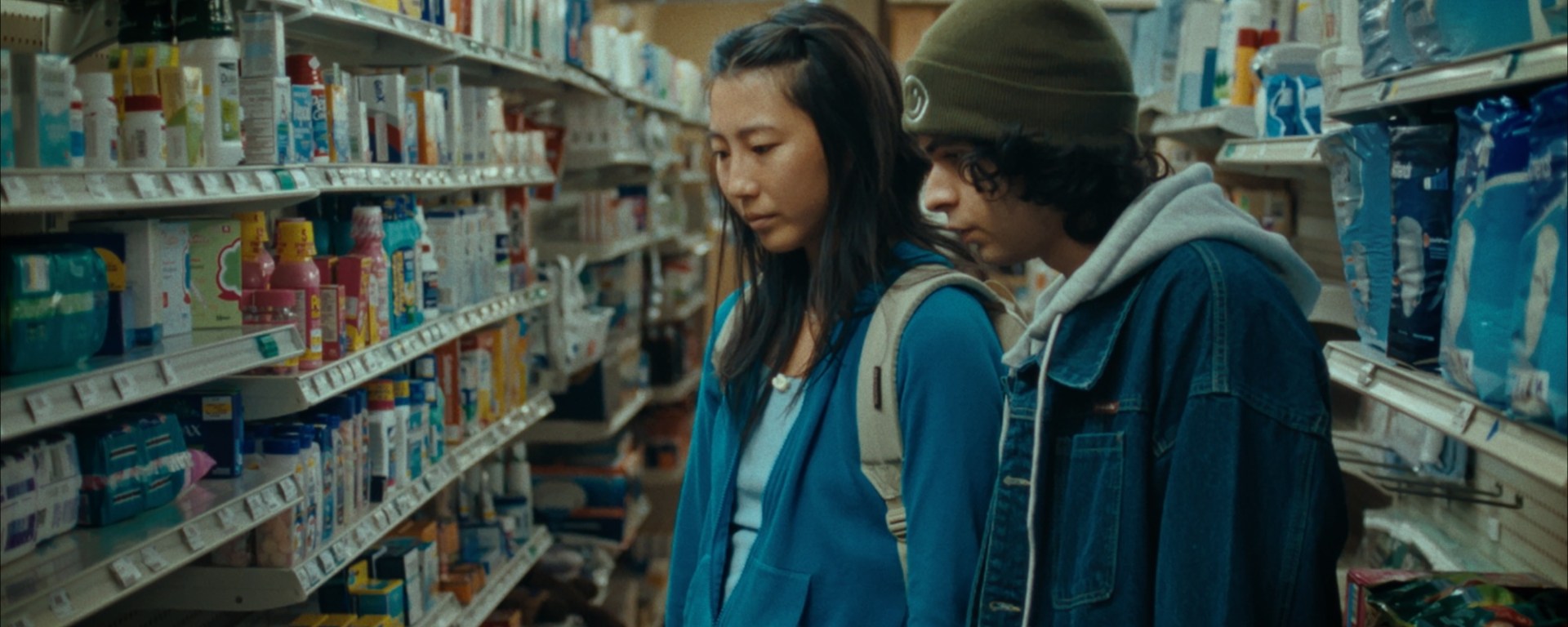
In an era when reproductive rights in the United States are increasingly contested, Liz Rao’s The Truck arrives with the clarity and force of a filmmaker who understands both the urgency of the moment and the quietness with which fear often settles into the lives of young people. What is most striking is that this impact comes not from a seasoned auteur but from a debut director whose work has already drawn the attention of creative giants, Spike Lee and Joan Chen have joined the project as executive producers, signaling Rao as a major voice emerging in Asian American and female led filmmaking.

A New Perspective in Asian American Cinema
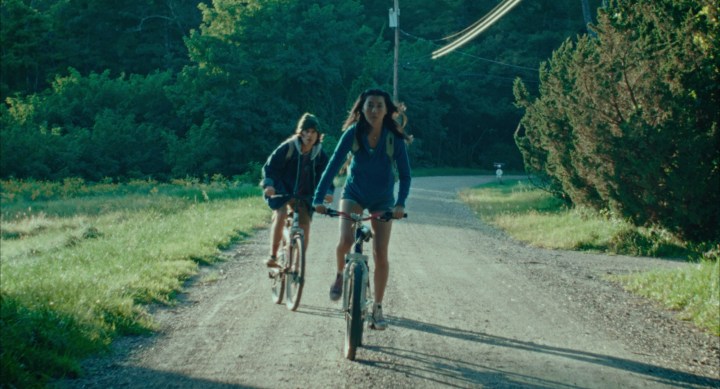
Asian American cinema has long carried the burden of representation, balancing the intimacy of personal stories with the expectations of cultural visibility. Rao threads this needle with remarkable calm and precision. The Truck centers on a Chinese American teenager navigating a moral and emotional crisis, but it never frames her identity as spectacle or shorthand. Instead, Rao integrates culture into the film’s texture, the rhythms of rural America, the tension between privacy and community surveillance, and the way immigrant children often learn to move through the world hyper attuned to risk.
This positions The Truck within a growing lineage of Asian American filmmakers, Chloe Zhao, Celine Song, Kogonada, who use a restrained aesthetic to explore characters caught between worlds. Rao’s style, however, leans more toward what one might call Americana noir, the wide open quiet of small towns, the looming threat in everyday interactions, the feeling of being watched even when no one seems to be looking.

Female Direction at Its Most Precise and Political
Rao’s direction is deeply felt, and notably female, not in a reductive sense, but in the way she builds emotional geography. Her filmmaking is attentive to the fatigue of young women forced to navigate choices that should belong solely to them. She captures the way girls learn to assess danger, the ways they whisper their fears, the ways their bodies move through spaces where authority is both omnipresent and opaque.
Female directors working in political terrain, think Chantal Akerman, Deepa Mehta, Jane Campion, often infuse their work with a personal edge, a sense of embodied experience. Rao joins this lineage with a narrative that is both intimate and systemic. The film is not simply about a young couple trying to secure a morning after pill, it is about the surveillance of female bodies in a country sliding backwards, and the deeply human cost of that regression.
A Rare Partnership, Spike Lee and Joan Chen
The joining of Spike Lee and Joan Chen is more than an endorsement, it is a symbolic bridging of cinematic traditions. Lee, whose body of work has shaped American political filmmaking for decades, calls Rao “unafraid to provoke,” placing her within his lineage of artists who speak truth to power. Chen, a pioneering figure in both Chinese and American cinema, praises the film’s visceral look at power dynamics and its “quietly chilling” impact.
This pairing, an African American master of political cinema and one of the most respected Chinese women in global filmmaking, suggests Rao is being positioned not only as an emerging talent but as a necessary voice in an industry seeking new perspectives on autonomy, identity, and resistance.
 FILM & TELEVISION BUSINESS