


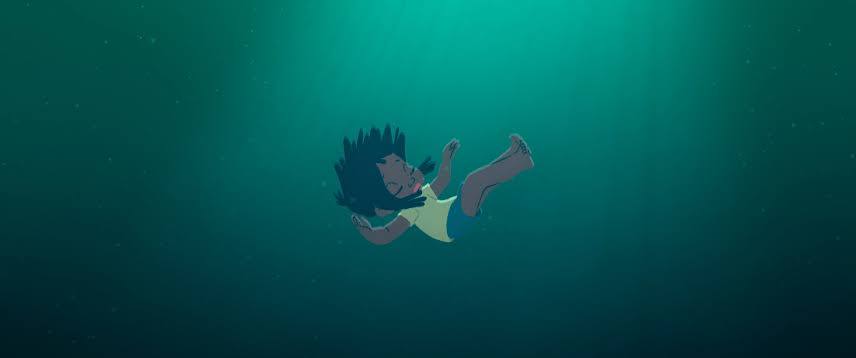
CAFUNÈ is an animated short film that transcends the boundaries of its medium, offering an experience that is both heart-wrenching and inspiring. Directed by Carlos F. de Vigo and Lorena Ares, this deeply affecting film takes audiences into the emotional world of a young refugee girl named Alma, who is struggling to come to terms with the trauma of being the sole survivor of a devastating shipwreck. What makes CAFUNÈ so powerful is not just the rawness with which it addresses the pain of displacement and survival, but the delicate way in which it portrays the complexity of childhood trauma and the journey of healing.
The story of Alma is one that will resonate with anyone who has ever experienced loss or faced overwhelming adversity. As a child, Alma is caught between the innocence of youth and the crushing weight of memories she cannot escape. The filmmakers don’t shy away from showing how trauma can shape a person’s life, but they also emphasise the possibility of healing and the strength of the human spirit. The film’s treatment of Alma’s pain is both tender and honest, allowing the audience to empathize with her struggles in a way that feels deeply personal.
One of the most powerful moments in the film occurs when Alma’s doll, a symbol of her innocence, falls into a swimming pool, a visual echo of the shipwreck that changed her life forever. The act of retrieving the doll forces Alma to confront the past she has tried so desperately to forget, and in doing so, she begins a painful yet ultimately transformative journey toward healing. This scene, like many others in the film, is a testament to the filmmakers’ ability to use symbolism and visual storytelling to communicate complex emotions with subtlety and grace.
What sets CAFUNÈ apart from other animated films is its commitment to portraying the human side of trauma. While many films may focus on the external consequences of displacement and war, CAFUNÈ takes a more intimate approach, showing how the emotional scars of such experiences can linger long after the physical ones have healed. The filmmakers do an extraordinary job of balancing the heavy subject matter with moments of quiet beauty, offering hope without diminishing the severity of Alma’s pain.
The film’s impact has been undeniable, with CAFUNÈ winning dozens of awards at over 170 international festivals and receiving critical acclaim for its sensitive portrayal of childhood trauma. The recognition from Amnesty International, who praised the film for its empathy and understanding of the human cost of displacement, further underscores the film’s relevance and importance. As CAFUNÈ continues to win hearts and minds across the world, its Oscar®-qualification only serves to confirm its place among the most important animated works of the year.
Gianna Peracchia
 FILM & TELEVISION BUSINESS