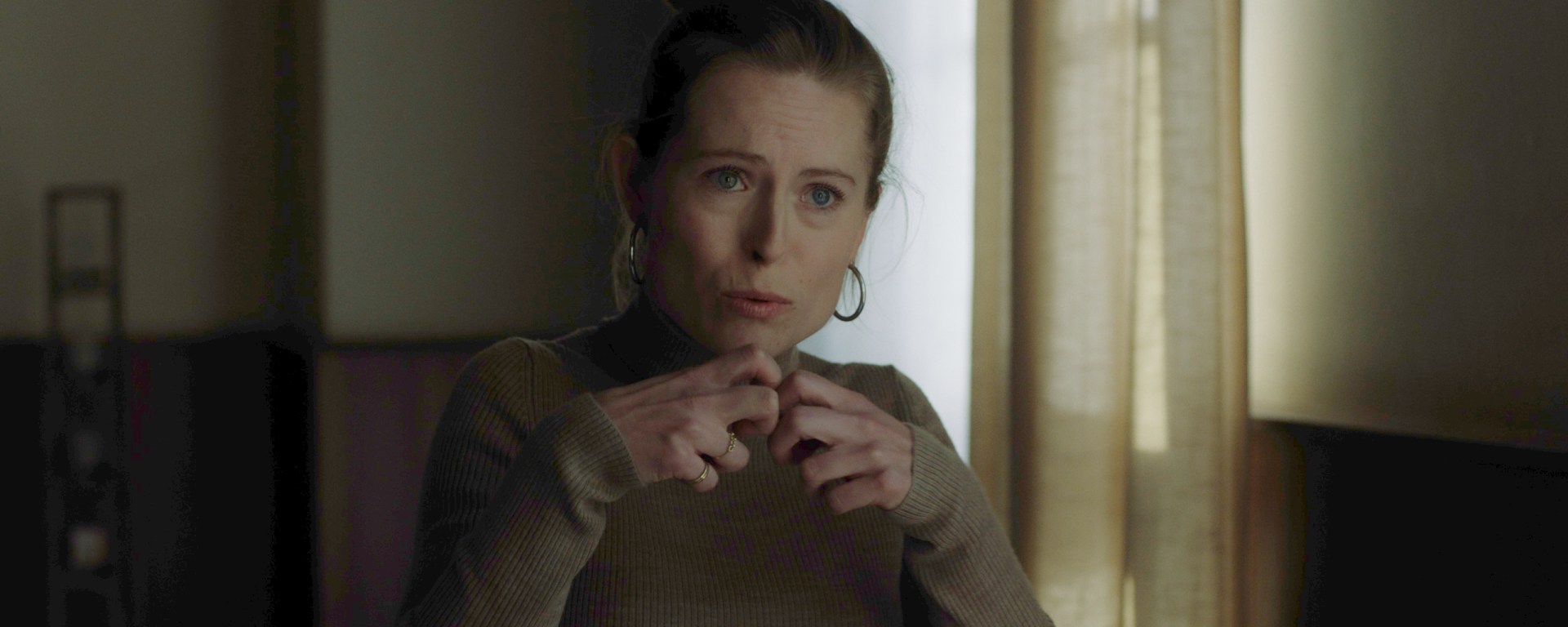
In a post-#MeToo cinematic landscape hungry for stories that confront long-buried truths, few films cut as deeply, or as elegantly, as Beyond Silence. Now officially Oscar®-qualified and steadily gaining traction on the international festival circuit, this fierce yet delicately rendered short from director Marnie Blok proves that the most seismic stories don’t always arrive with a shout. Sometimes, they whisper, and the echo is devastating.
Blok, already celebrated for her emotionally textured storytelling, steps into new territory here, drawing from her own experiences to examine the shadowy inheritance of generational trauma. It’s a bold act of vulnerability from a female filmmaker unafraid to interrogate the structures that have historically silenced women, a perspective that feels both vital and overdue in today’s industry.
Crucially, Beyond Silence pairs its thematic bravery with equally courageous casting. The astonishing screen debut of Henrianne Jansen, a deaf actress whose performance radiates authenticity, is nothing short of revelatory. In an era where representation is often discussed more than delivered, Blok’s commitment to casting lived experience elevates the film beyond mere symbolism. Opposite her, Sigrid ten Napel and Tamar van den Dop bring nuanced, interior performances that pulse with intergenerational tension.
The film’s minimalism is its weapon. Blok uses silence, historically imposed on women, and particularly on survivors, as cinematic language. Each frame becomes a thesis on what is swallowed when society refuses to listen. And when voices finally emerge, they aren’t just heard, they resound.
What makes Beyond Silence especially resonant in the wake of #MeToo is its refusal to flatten trauma into spectacle. Instead, it illuminates reclamation. The film suggests that empowerment is not always loud; sometimes it begins in the quiet corners of one’s own history, where shame is exchanged for solidarity.
Stylistically, Blok operates with painterly restraint, poetic visuals, precise gestures, charged glances. It’s a masterclass in emotional economy. There’s no melodrama, because none is needed. The truth, spoken plainly, or not spoken at all, is enough.
As awards season intensifies, Beyond Silence emerges as a serious Oscar contender not merely because it is timely, but because it is timeless. It speaks directly to the women who’ve lived with inherited silence, and to the new generation determined to break it.
Ultimately, the film is a rallying cry draped in quiet. A reminder that the softest voice, once freed, can quake the foundations of history.
If the Academy is listening, truly listening, Beyond Silence may be impossible to ignore.
 FILM & TELEVISION BUSINESS