
By Sally Green
Few short films possess the narrative control and moral weight of BROTHERS. Ross Syner’s latest work unfolds with the taut precision of a stage play and the emotional intimacy of a confession. A grandfather, two grandsons, and an unspoken secret, that is all the film needs to interrogate the meaning of loyalty and the price of conscience.
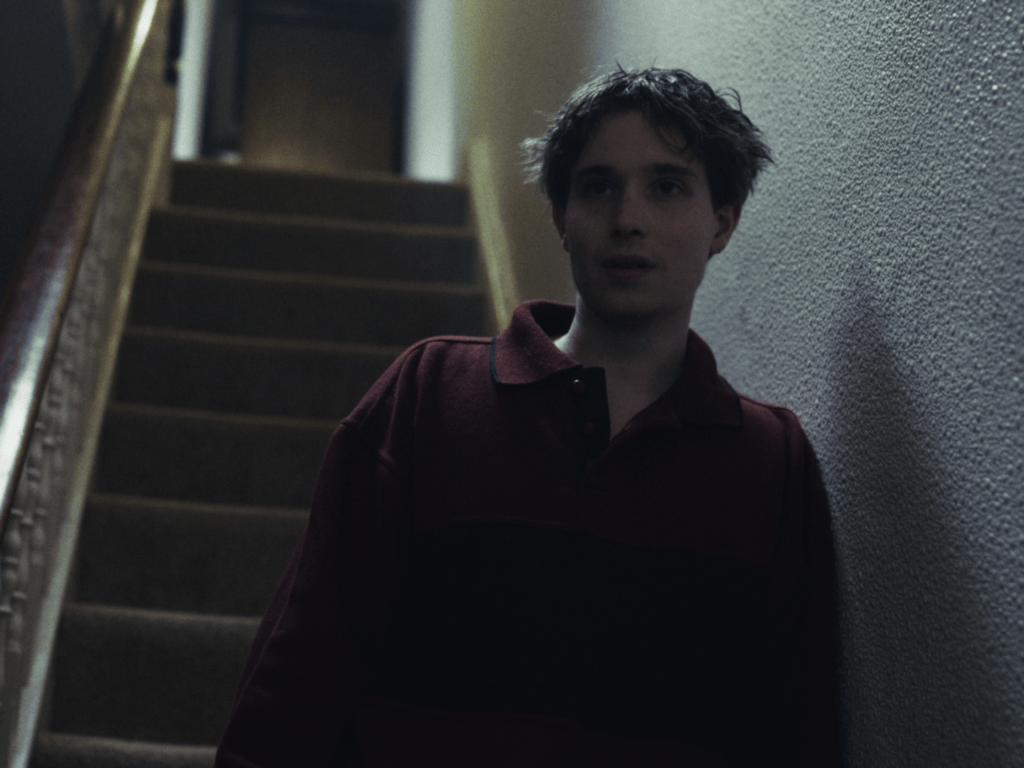
From the first frame, Syner’s direction reveals an instinct for stillness. His compositions are deliberate, sculpted by shadow and silence. Rather than leaning on exposition, he lets the camera linger on faces and objects, the ticking of a clock, a trembling hand, the creaking of a chair, all becoming emotional markers in a story about inheritance, both moral and genetic.
His compositions are deliberate, sculpted by shadow and silence.
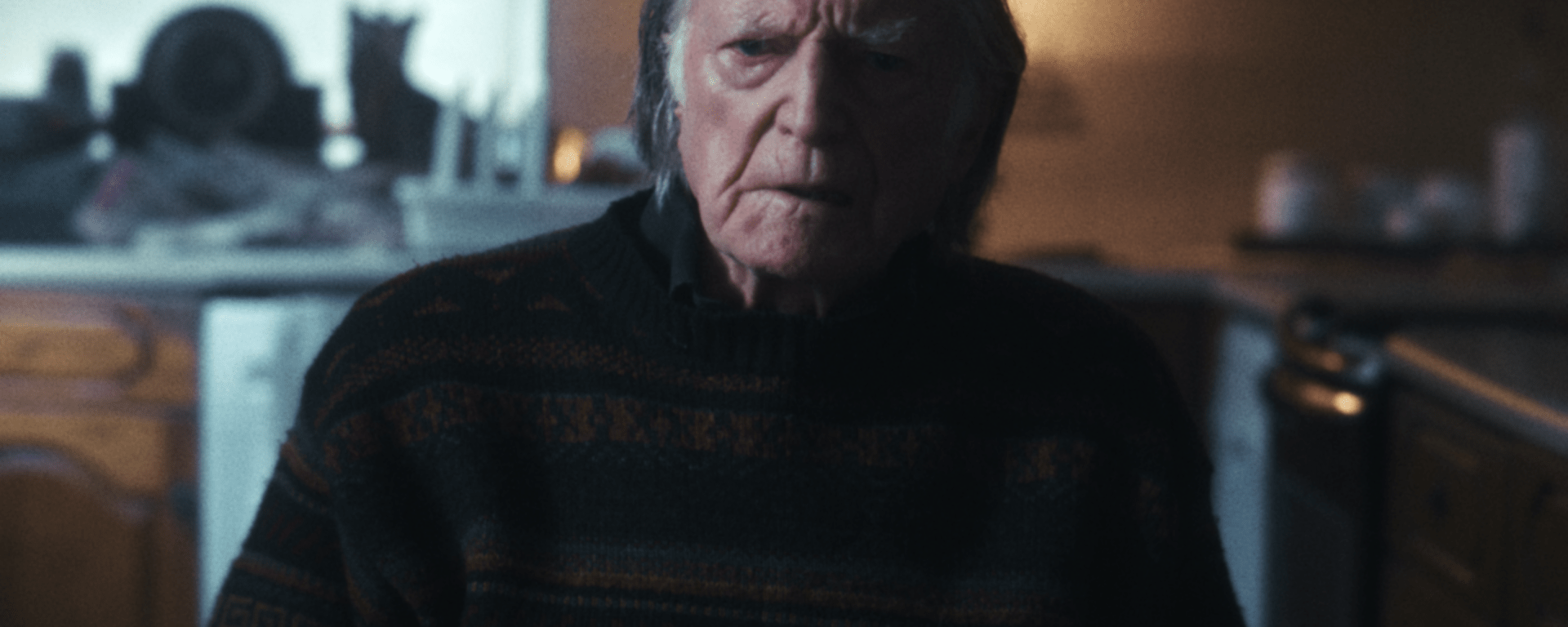
David Bradley anchors the film with remarkable nuance. He strips away every trace of performance, offering a portrayal so raw it feels almost documentary. Around him, the younger actors respond with equal honesty, creating an intergenerational dialogue that feels lived-in and true. Producer Ben Keen and the team at Mockingbird Film Co. match this integrity with exacting craft: every frame feels purposeful, every choice in service of the story’s ethical tension.
David Bradley anchors the film with remarkable nuance.
Co-writer Leanne Dunne’s script navigates a delicate balance between realism and allegory. Her writing acknowledges how family history can act as both comfort and curse, and how the line between protection and destruction is often impossibly thin. Together, she and Syner construct a narrative that functions as a moral pressure cooker, asking audiences to confront their own thresholds for forgiveness.

As a BAFTA-qualifying short, BROTHERS enters the awards conversation not simply as a contender but as a benchmark for what the form can achieve. It demonstrates that brevity need not mean simplicity. Every frame, every silence, every choice carries meaning.
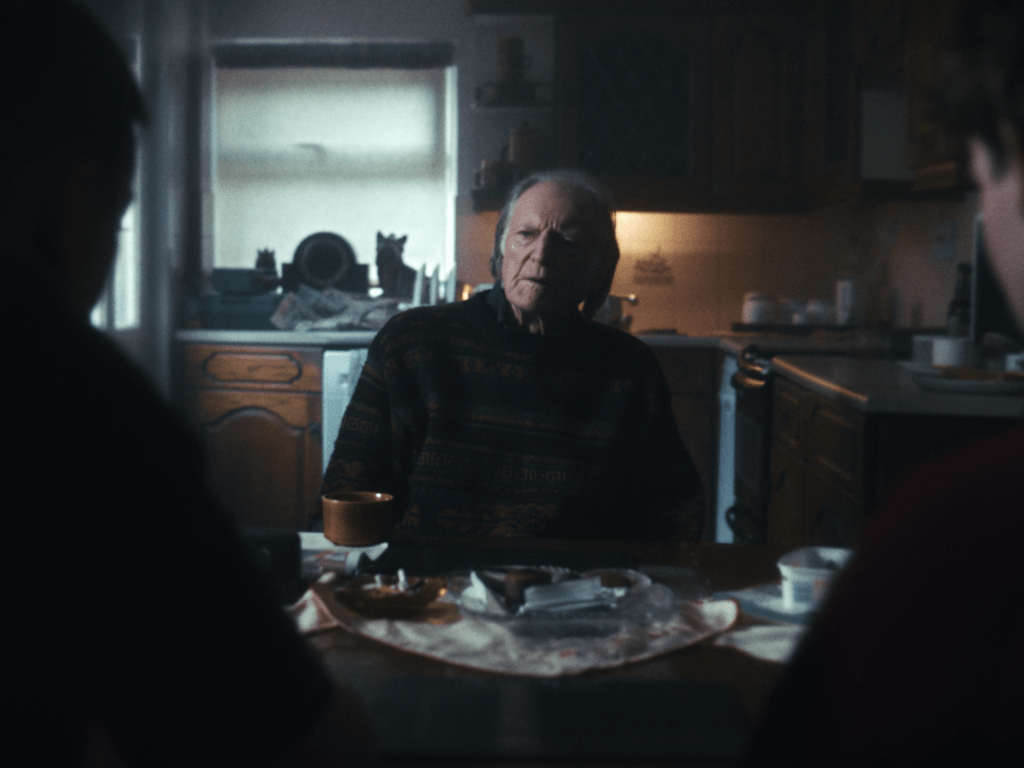
What Syner achieves here is nothing less than cinematic grace: an unflinching look at how the past shapes the present, and how love can be both the wound and the cure.
What Syner achieves here is nothing less than cinematic grace
 FILM & TELEVISION BUSINESS