By Mary Salis

In OLIVE, director Tom Koch and legendary actress Lesley Ann Warren collaborate on a devastatingly intimate portrait of love, memory, and the slow, painful erosion of self through Alzheimer’s. Clocking in as a short film, but resonating with the emotional weight of a full-length feature, OLIVE is a stirring, nuanced piece that showcases the power of restrained direction and raw, immersive performance.
Directing: Tom Koch’s Breakthrough Moment
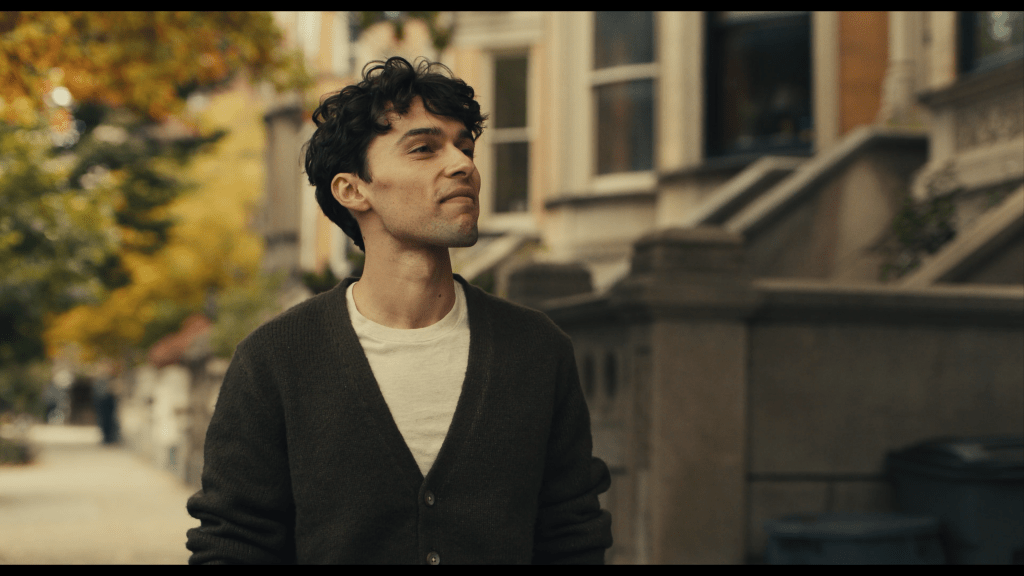
Tom Koch’s direction in OLIVE is nothing short of assured. Though an emerging filmmaker, his vision feels fully formed, delicate, patient, and deeply empathetic. Koch’s decision to approach Alzheimer’s not as a medical condition but as a personal, interior unraveling allows the film to stay grounded in the emotional truth of its characters. His camera lingers when it needs to, giving silence and stillness the same narrative weight as dialogue.
Koch balances abstraction and clarity with remarkable control. Scenes shift subtly between memory and present time, and his use of fragmented editing (courtesy of Hillary Carrigan) and warm, washed-out lighting (from Guillermo Cameo’s lens) evokes the fragility of memory without ever becoming disorienting. Rather than relying on melodrama, Koch leans into subtlety. he trusts the viewer to connect the emotional dots, a choice that elevates OLIVE far beyond typical fare in the genre.
For a filmmaker so early in his career, Koch demonstrates rare maturity. This is not just a showcase of technical proficiency, but of emotional intelligence, of knowing when to push, when to pull back, and when to simply observe.

Acting: Lesley Ann Warren Anchors the Film
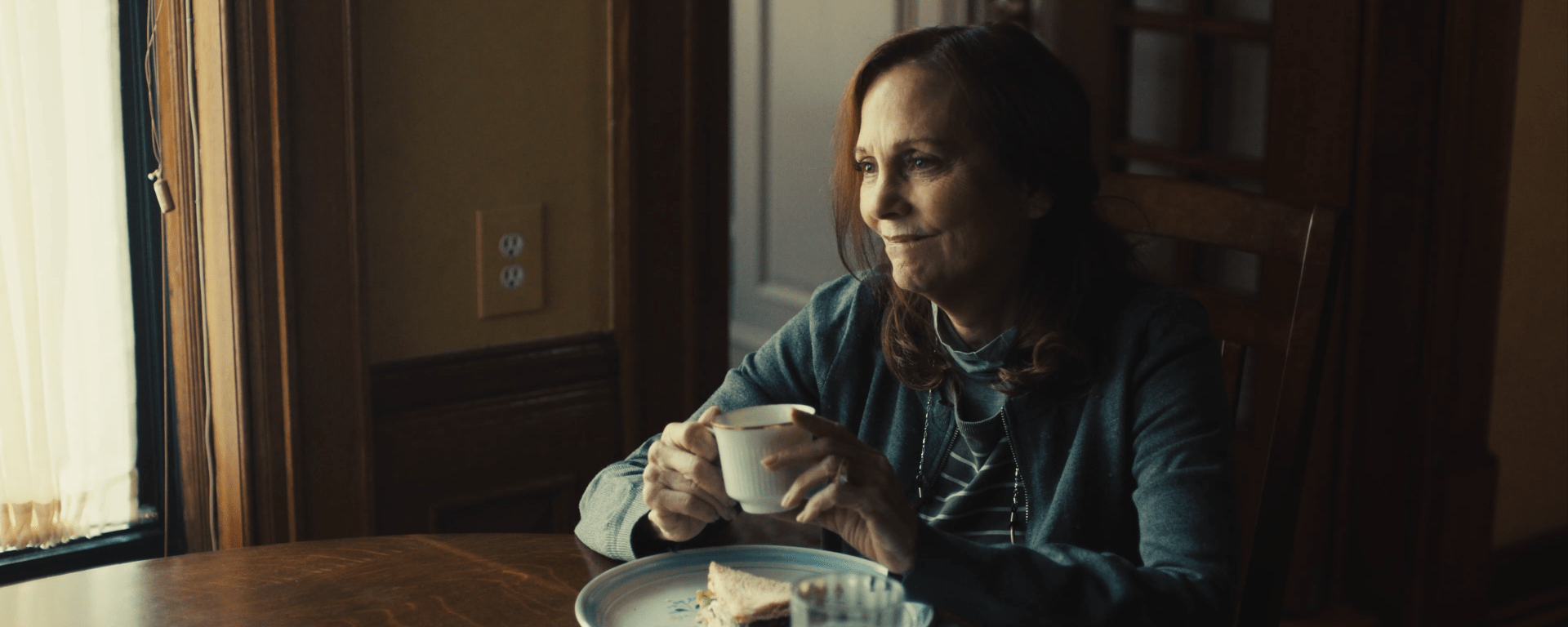
At the core of OLIVE is Lesley Ann Warren’s haunting and heartbreakingly honest performance. As the title character, she delivers one of the most restrained and affecting portrayals of Alzheimer’s in recent memory. Warren shines on the screen, eschewing caricature in favor of quiet realism. Her performance is internal, layered, and deeply human, she allows us to see her struggle not only through what she says but through her silences, her hesitations, her eyes.
Warren’s chemistry with the supporting cast, particularly Marie Louise Boisnier as a caretaker and Tom Koch himself in a supporting role, adds texture to the film’s emotional fabric. There is a particular scene, spare in dialogue, heavy in implication, where she stares out a window, half-present, and it’s in this moment that Warren’s mastery is most evident. Her stillness speaks volumes, capturing the terror and confusion of a mind losing its anchors.
The supporting ensemble is strong across the board. Boisnier brings a delicate touch to her role, balancing empathy with restraint. Jeffrey Farber and Tómas Doncker offer strong contributions, grounding the film in realism without ever pulling focus from Warren’s tour de force.
Final Thoughts
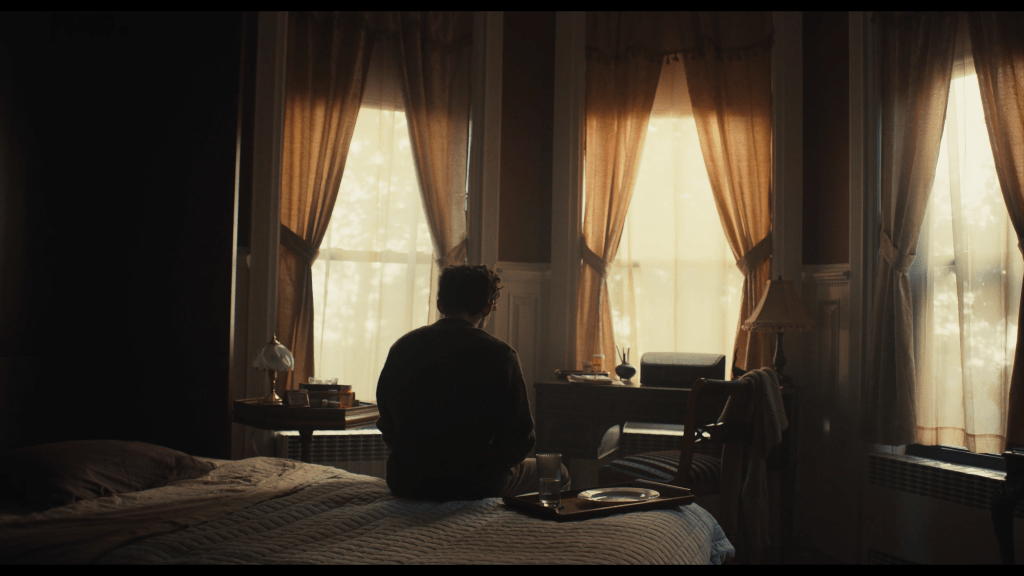
OLIVE is not just another Oscar-qualified short, it’s a deeply felt exploration of identity, love, and loss, helmed by a director with something to say and anchored by a performance that will linger long after the credits roll.
Tom Koch proves himself a director to watch, and Lesley Ann Warren reminds us why she’s one of the most enduring and underutilized talents in American cinema.
 FILM & TELEVISION BUSINESS