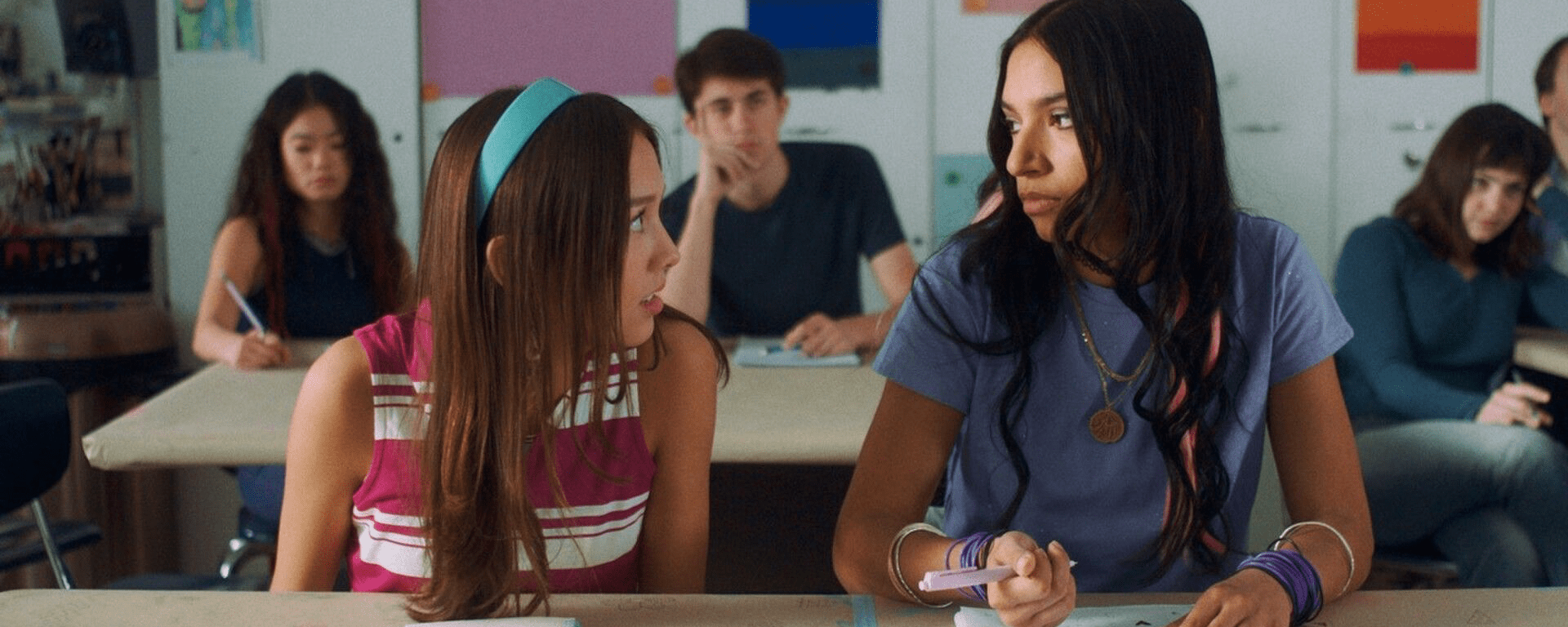
Premiering at the 2025 Oscar-qualifying HollyShorts Film Festival, 11:11 marks a striking new entry in the canon of diasporic coming-of-age cinema, one that dares to blend teen wish-fulfillment fantasy with the painful realities of assimilation and internalized identity loss. With sharp humor, an audacious high-concept premise, and a clear directorial voice, Mahnoor Euceph crafts a short that is as entertaining as it is quietly devastating.
At the center of 11:11 is Noori, a 16-year-old Pakistani-American girl navigating the volatile terrain of adolescence, desire, and difference. Played with wit and emotional nuance by Tara Raani (Grown-ish), Noori makes an impulsive wish at 11:11, that she could be her white crush’s “type.” The next morning, she wakes up blonde, blue-eyed, and unrecognizably white.
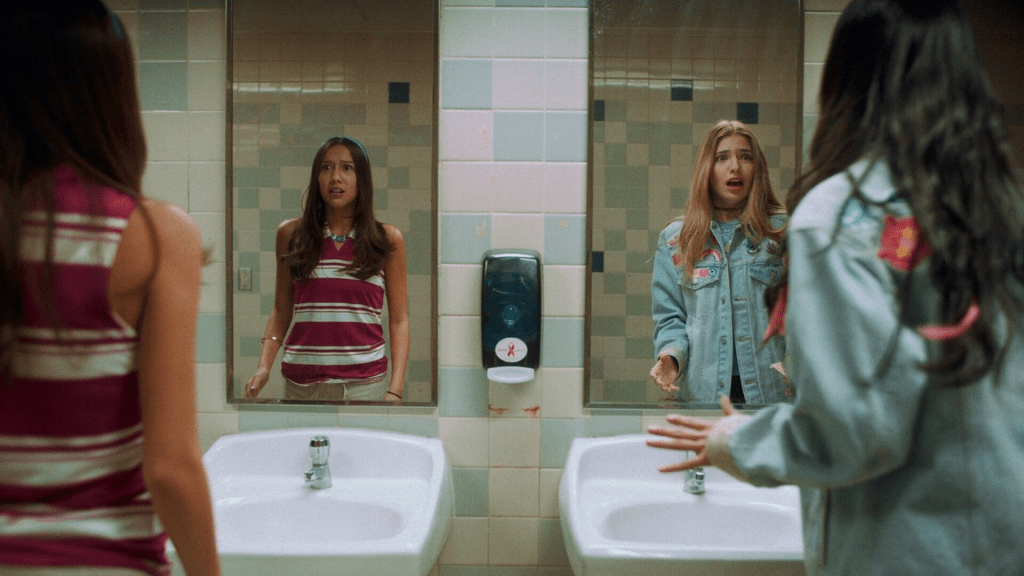
What could have been a surface-level body-swap comedy instead becomes a smart, culturally specific critique of whiteness as the default ideal. As Noori begins to experience the world in her new body – from the cafeteria to the classroom to her own reflection, the absurdity of her transformation reveals painful truths. The film never slips into didacticism, instead letting the absurd premise expose how identity is both projected and internalised.
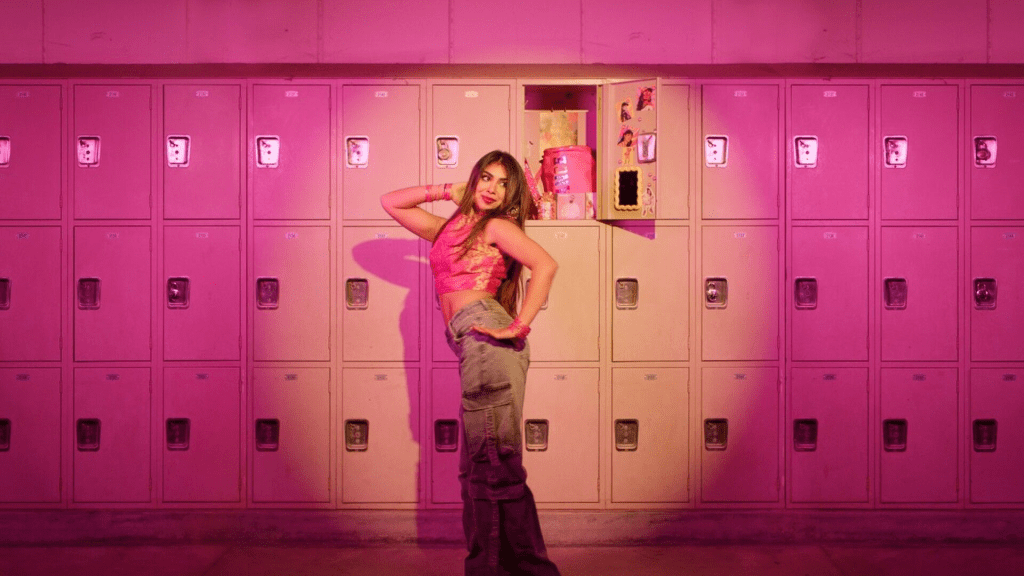
Euceph’s direction is confident and playful, with a visual palette that mixes glossy teen-movie aesthetics with surreal touches that nod to magical realism. Scenes are brisk, punchy, and emotionally layered. There’s a sharp comedic rhythm to the dialogue, but Euceph knows exactly when to pull back and let discomfort linger, especially in moments where Noori begins to feel herself disappearing in more than just appearance.
The supporting cast, particularly Mahaela Park as Noori’s best friend, adds warmth and depth to the narrative, grounding the magical transformation in emotional stakes. The friendship dynamic, tested by Noori’s sudden shift in identity, becomes one of the film’s most affecting elements, offering a quiet counterpoint to the central metaphor: you can’t be seen if you’ve erased yourself.
Backed by Netflix and selected by Cate Blanchett’s Proof of Concept Accelerator (with support from Greta Gerwig and Lilly Wachowski, among others), 11:11 arrives with buzz, and lives up to it. This is not just a clever short; it’s a carefully constructed interrogation of how marginalised teens are taught, implicitly and explicitly, to desire invisibility in exchange for belonging.
In just under fifteen minutes, Euceph accomplishes what many features only attempt: she entertains, disarms, and ultimately disorients us, in the best way. 11:11 doesn’t just show us what it feels like to be othered; it shows what it costs to try not to be.
11:11 arrives at HollyShorts Film Festival 2025 on August 12th in the Coming of Age category. With her distinctive aesthetic, tonal command, and refusal to simplify complex questions of race, beauty, and identity, Mahnoor Euceph emerges as one of the most vital new voices in American filmmaking. 11:11 is sharp, bold, and bitingly honest, a magic mirror of a film that reflects what so many have felt but don’t often see onscreen.
Rachel Sinclair

