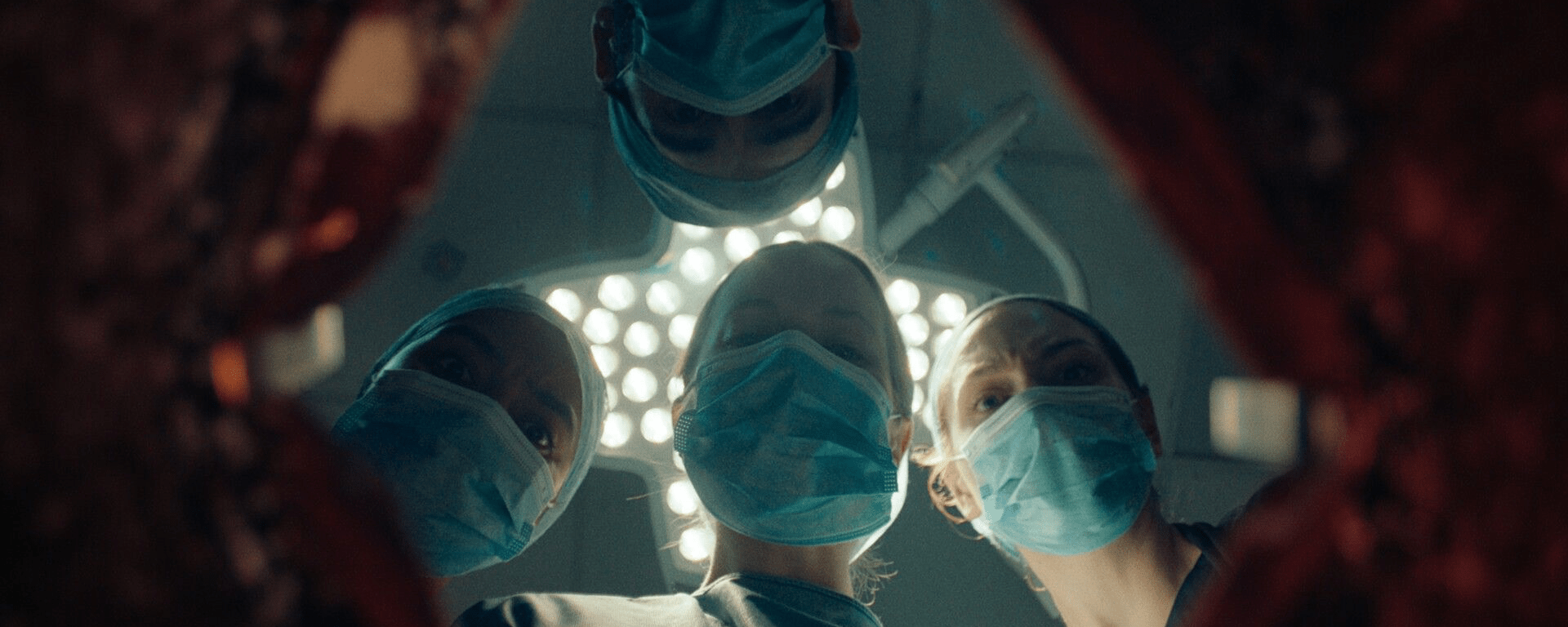
In PLASTIC SURGERY, director Guy Trevellyan transforms a clinical setting into a crucible of dread, weaving a taut environmental thriller that resonates far beyond its 20-minute duration. With a filmmaker’s precision and a moral urgency that lingers like an aftertaste, Trevellyan’s short is a chilling parable for our times, one where the invisible costs of modern convenience are no longer theoretical, but coursing through our very veins.
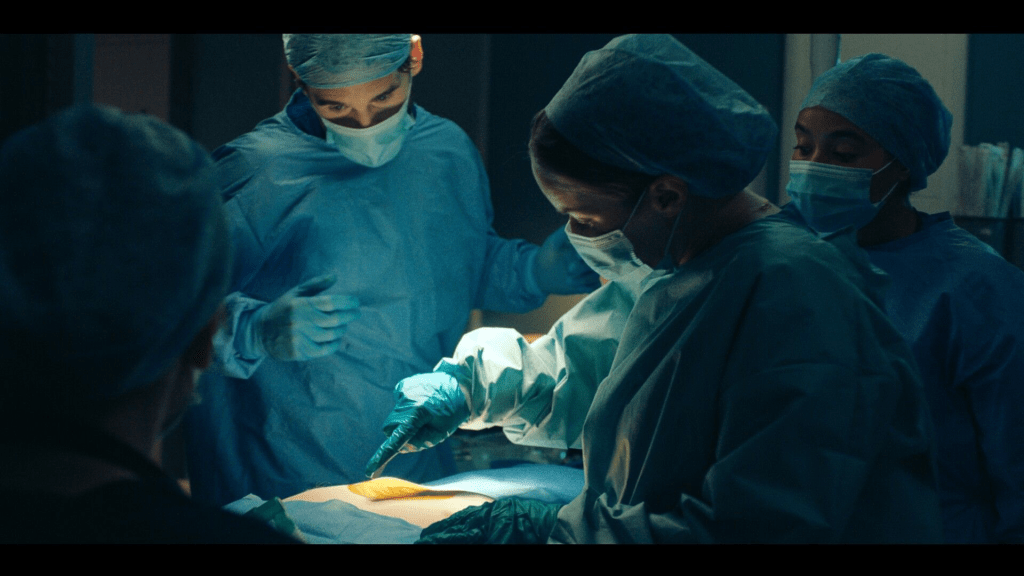
Set during a single turbulent shift in a near-future hospital, PLASTIC SURGERY follows Dr. Terra (Anna Popplewell), a physician on the brink of maternity leave who stumbles into a medical mystery with horrifying implications. Patients present with inexplicable symptoms, and as Terra peels back the clinical layers, she uncovers a truth more terrifying than any diagnosis: microplastics, omnipresent and unstoppable, have begun infiltrating human biology at a cellular level. Key to its dystopian power is that this is not fabricated science fiction, but rather science extrapolated.
Known for her work in The Chronicles of Narnia and acclaimed period dramas, Anna Popplewell sheds all traces of fantasy or nostalgia here, embodying a woman caught in a spiralling medical mystery that mirrors the imminent transformation of her own body. Her performance combines quiet intensity with frantic urgency as she uncovers a disturbing truth: microplastics aren’t merely polluting the oceans, they’re already inside us, invading organs, arteries, and futures. As she navigates both the unravelling crisis and transformation of her own body, Dr. Terra becomes a potent symbol, not just of motherhood or medical ethics, but of a planet struggling to birth a future it may not survive.
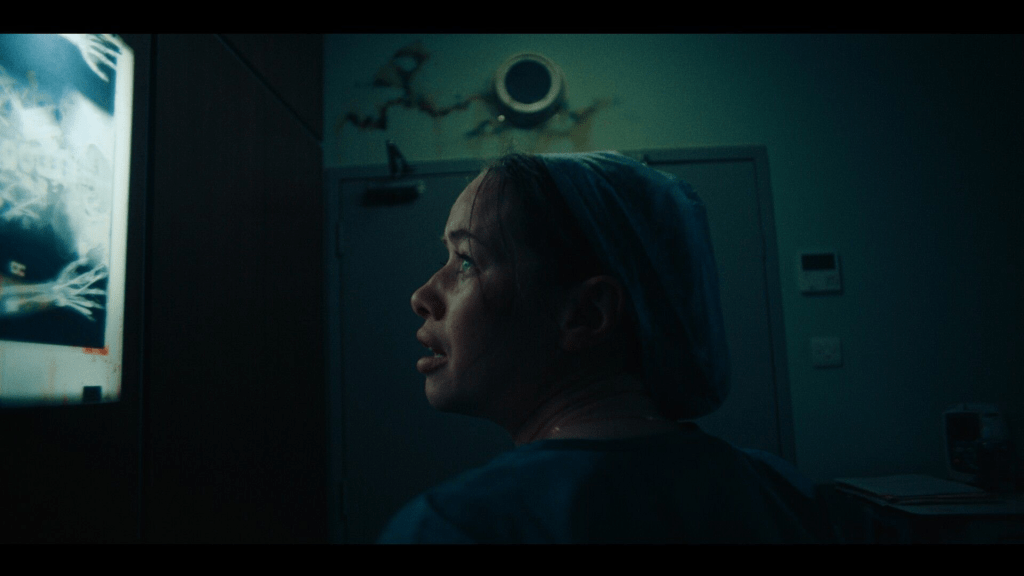
Trevellyan, a MetFilm School graduate with a rich background assisting visionary directors like Wes Anderson and Greta Gerwig, brings a sharp visual control and genre-forward sensibility to the story. There’s a creeping dread baked into the sterile whites and flickering fluorescents of the hospital setting, a sense that something monstrous is lurking not outside, but inside us. The film’s sound design is especially noteworthy, surgical tools, heart monitors, and ambient hums blend with a pulsing score to create a soundscape that feels like the body turning against itself. The result is a visceral sense of both a body and a planet under siege.
What elevates PLASTIC SURGERY beyond the well-trodden path of environmental alarmism is its narrative craft. This is not a public service announcement wrapped in genre clothing; it’s a meticulously structured story that embeds its message deep within character, tone, and atmosphere. The metaphor never overwhelms the plot, even as it becomes clear that the film’s true horror is not contamination, but complicity. Indeed, inspired by emerging research on the infiltration of microplastics into the human body, the film prompts a collective reckoning for ecological complicity.
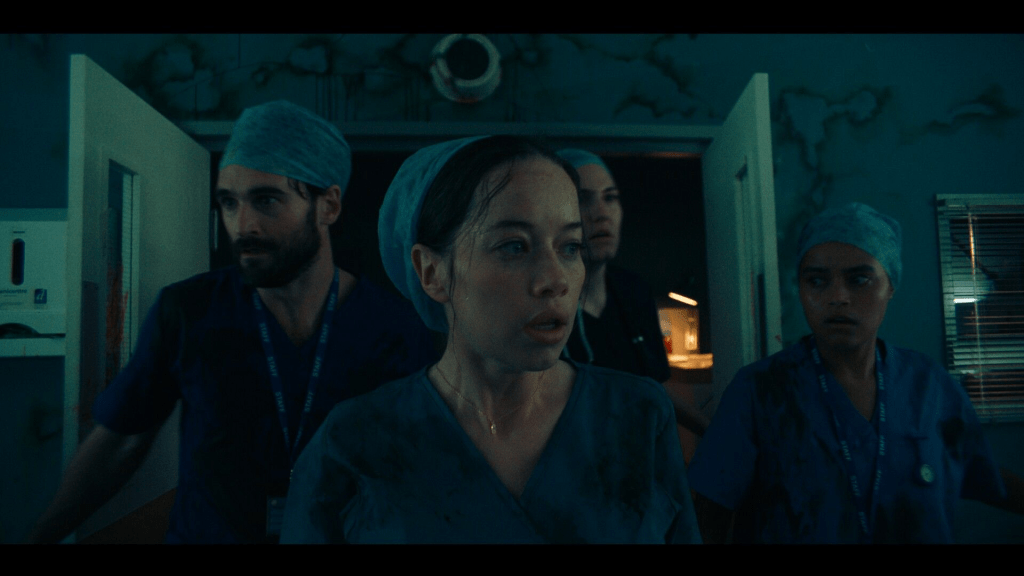
PLASTIC SURGERY will be premiering at the Oscar-qualifying, 21st HollyShorts Film Festival. With its compelling lead performance, sharp direction, and socially conscious storytelling, PLASTIC SURGERY is a standout entry in the HollyShorts lineup this year. Trevellyan has crafted a quiet, unsettling diagnosis of modern life, where the horror isn’t what might happen, but what already is. We are the agents of our own mutation, Trevellyan suggests, and our failure to change may be the most unnatural act of all.

