Film Review: Boyfighter – A Visceral Vision of Legacy and Love by Julia Weisberg Cortés
Screening at the OSCAR-qualifying HollyShorts film festival
In Boyfighter, director Julia Weisberg Cortés delivers a lyrical gut-punch, a film that stares unflinchingly into generational trauma while holding space for tenderness, reckoning, and repair. This Oscar-qualified short, premiering at HollyShorts as part of the 2025 Indeed Rising Voices program, marks a defining moment in Cortés’ evolving career. Known for emotionally intimate work grounded in cultural identity, Boyfighter sees her expanding her lens to explore masculinity from within—without losing the soulful precision that defines her voice.
Director Julia Weisberg Cortés delivers a lyrical gut-punch
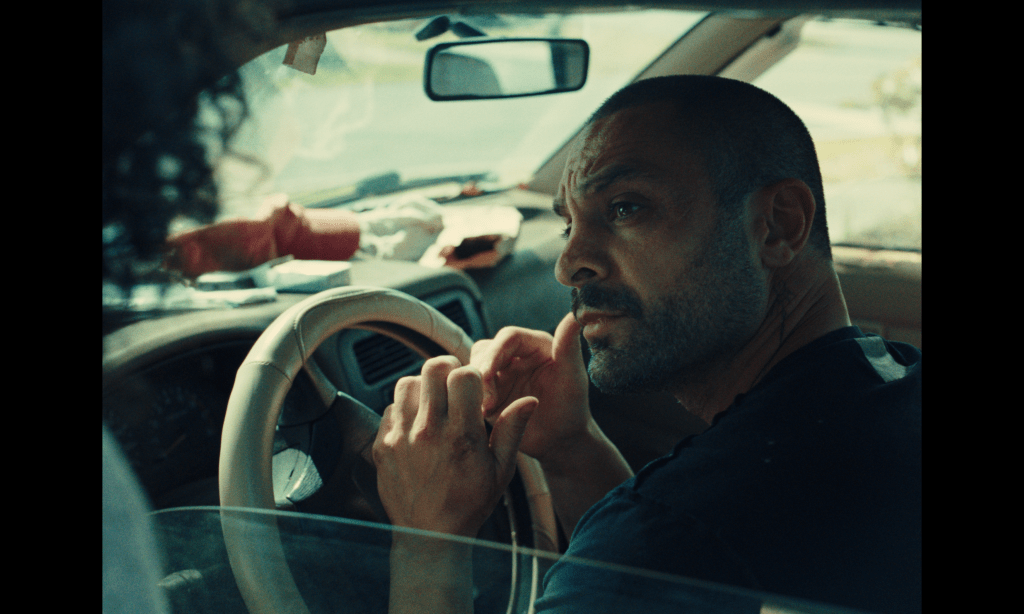
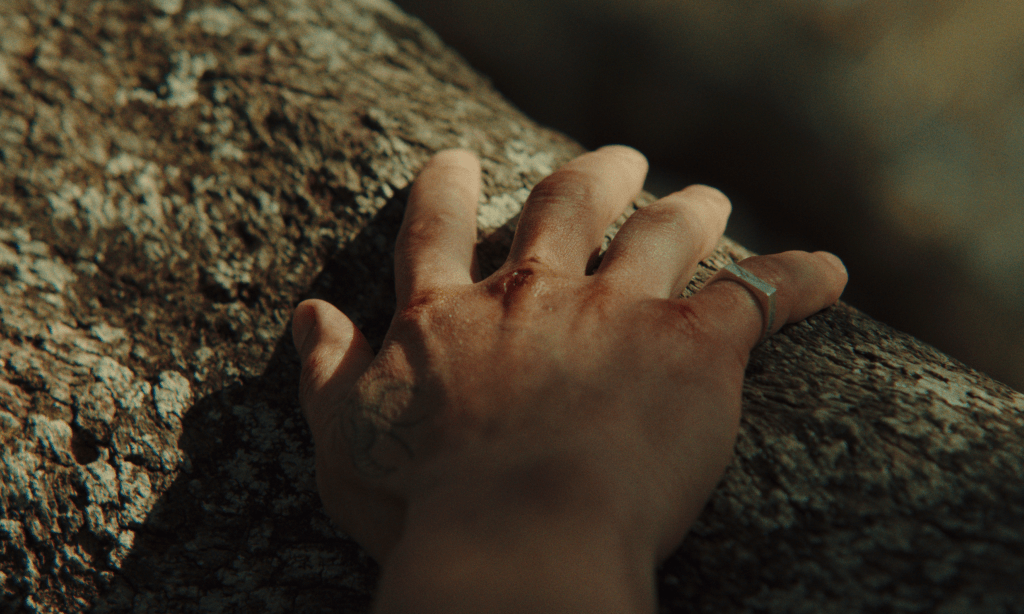
At the heart of the story is a retired bare-knuckle fighter, portrayed with devastating nuance by Michael Mando. The character is not merely haunted by his past but tangled in it, emotionally and spiritually. The camera lingers in moments of silence, bruised flesh, and fleeting tenderness. These pauses, these “quiet moments between rage and forgiveness,” as Cortés herself describes, become the film’s most articulate language. Through them, Boyfighter communicates the cost of unspoken pain better than any line of dialogue could.
Cortés’s vision is both poetic and gritty, grounded in realism yet stylized with restraint. Her direction never glamorizes violence, instead using it as a visual metaphor for the emotional battles men wage when they’ve been denied vulnerability. Her background in crafting narratives centered around Mexican-American identity and womanhood lends this film a rare depth: she brings a feminist sensitivity to a hypermasculine world, reframing the fighter’s arc not as a fall from grace but a search for grace in the aftermath.
Cortés’s vision is both poetic and gritty, grounded in realism yet stylized with restraint
Visually, Cortés leans into warm shadows, tight compositions, and tactile textures that suggest closeness even in isolation. This aesthetic intimacy reflects the internal world of her protagonist, closed-off, guarded, but still reaching for connection. The fight scenes, though central to the plot, are choreographed less like spectacle and more like ritual, anchoring the narrative in emotional stakes rather than physical ones.
That Cortés has chosen to dedicate this film to her late brother adds another layer of personal weight. You feel that love in every frame, the ache of what’s been lost and the fragile hope of what might be salvaged. In honoring his legacy, she invites audiences to examine their own, challenging them to consider the roles we inherit and the possibility of rewriting them.
In honoring his legacy, she invites audiences to examine their own, challenging them to consider the roles we inherit and the possibility of rewriting them.
Ultimately, Boyfighter is more than a film about fathers and sons, more than violence or redemption. It’s about emotional literacy in a culture that often confuses stoicism with strength. Julia Weisberg Cortés directs with a fierce compassion, urging us not just to watch but to feel, to grieve, and to hope. In doing so, she solidifies herself as a filmmaker with a rare ability: turning wounds into windows.
A masterful, intimate short driven by a clear directorial vision, Boyfighter is as much a meditation as it is a narrative. Julia Weisberg Cortés has crafted a work that is both deeply personal and universally resonant.



 FILM & TELEVISION BUSINESS