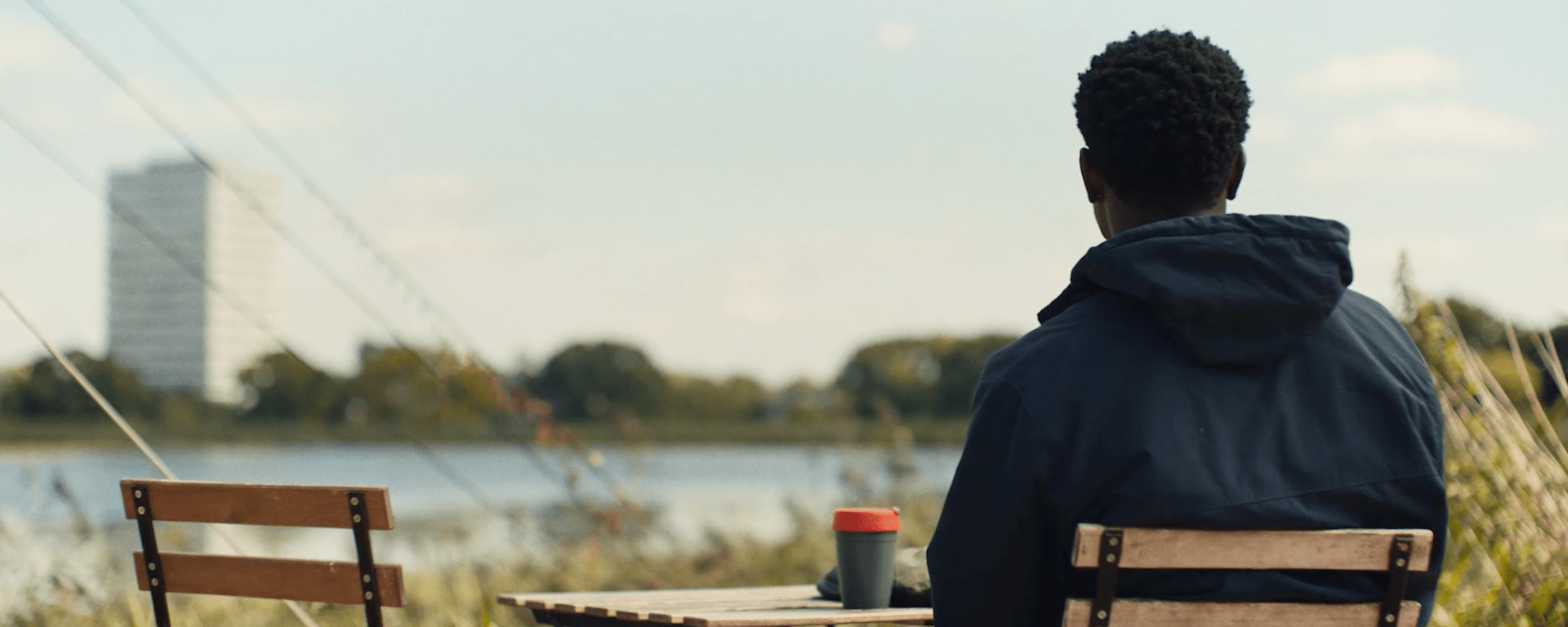
Jack Cooper Stimpson’s Spirit of Place is a stunning short film that immerses its audience in a world where nature and identity collide, and where the natural world holds the power to unearth the deepest truths about ourselves. In this lyrical meditation on self-discovery, Spirit of Place gracefully examines the intimate relationship between humans and the environments they inhabit, and what happens when that connection is disrupted or altered.

Set against the hauntingly beautiful backdrop of wetlands, the film follows two young adults—Athel (Hannah Chinn) and Edward (a strong, subtle performance from Jordan Peters)—who escape the pressures of city life in search of respite and reflection. Their journey into nature, however, takes a turn when Athel discovers an ancient artifact in the water, which forces her to confront not just the mysteries of the land, but the very foundation of her connection to it. As the story unfolds, Athel’s emotional and spiritual reckoning becomes an exploration of how natural spaces shape our identities, challenge our perceptions, and provide a sanctuary for personal growth.
The film’s thematic exploration is both powerful and nuanced, delving into ideas of access to nature and how different environments—often overlooked or underappreciated—play a role in fostering self-awareness and transformation. The imagery of wetlands, often regarded as fragile and undervalued ecosystems, serves as a poignant metaphor for the vulnerability and strength that lies within both the land and the people who interact with it.
One of the most striking elements of Spirit of Place is its lyricism. The cinematography, led by the brilliant work of [Pip White], is absolutely mesmerising, capturing the wetlands in all their complexity. The natural world is never a passive backdrop here; it pulses with life and meaning and slowly becomes a main character. The scenes of Athel and Edward wading through the marshlands have a tactile quality that makes the landscape feel alive.

At the center of the narrative, Athel’s transformation is grounded in her relationship to the wetlands, which symbolizes a larger human struggle—our attempt to find meaning and belonging in an ever-changing world. The discovery of the artifact, though unexplained in detail, acts as a catalyst for this deeper exploration, forcing Athel to reconsider what the land means to her. The film doesn’t rush this process; it lets the tension simmer and unfold gradually, allowing the audience to experience the transformative power of nature alongside the characters.
The film is not only an exploration of personal growth, but it also invites viewers to reflect on the larger environmental issues at stake. As a project supported by the conservation organizations On the Edge and WWT (Wildfowl and Wetland Trust), Spirit of Place is as much an advocacy piece as it is a narrative film. Through its tender portrayal of the wetlands, it encourages its audience to appreciate and protect these often-marginalized ecosystems.
Mark Rylance’s understated but effective cameo serves as a guide through this spiritual and ecological journey, lending an air of quiet wisdom to the proceedings. His presence gives the film a subtle gravitas that underscores its reflective tone.
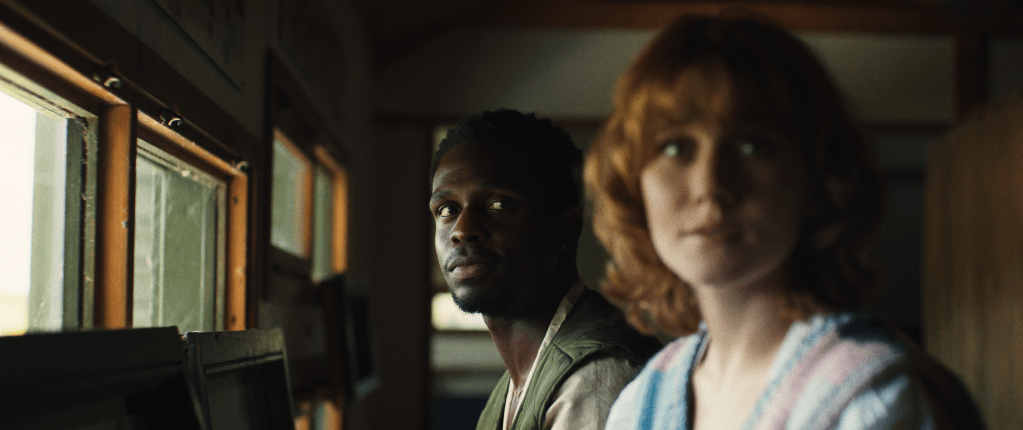
Overall, Spirit of Place is a quietly profound work of art that succeeds not only as a meditation on nature, identity, and growth but also as a call to action. It gently nudges viewers to reconsider their relationship with the environment and, in turn, with themselves. The film’s poignant narrative, striking visuals, and ecological message make it an important and timely work.
Written by Milly Hardy
 FILM & TELEVISION BUSINESS