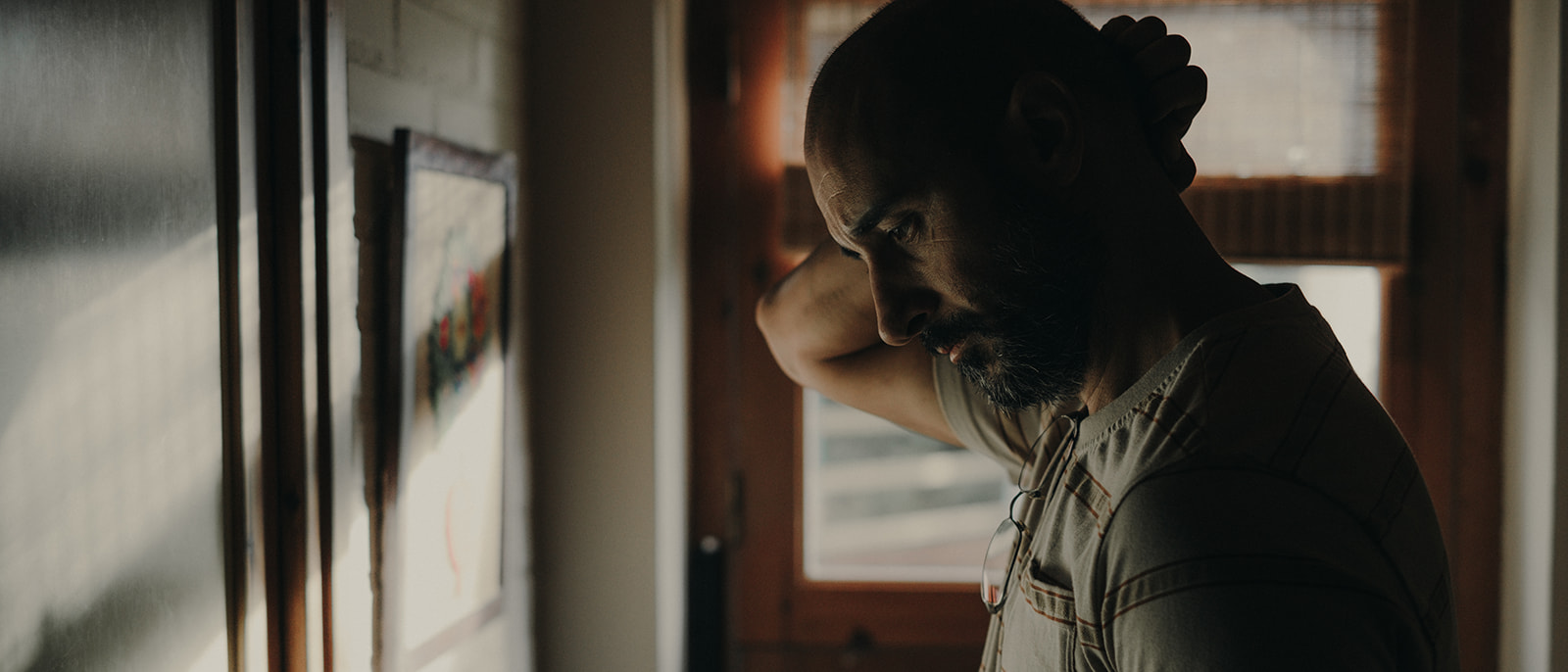
In the realm of short films that delve into the complexities of caregiving, grief, and memory, Paris 70 stands out as a poignant and intimate exploration of the toll Alzheimer’s disease takes on both the person suffering from it and the loved ones who are left to navigate the slowly fading reality. Directed by Dani Feixas, whose own personal experience caring for his grandmother with Alzheimer’s served as the catalyst for the film, Paris 70 is a meditation on love, loss, and the quiet resilience of caregivers.
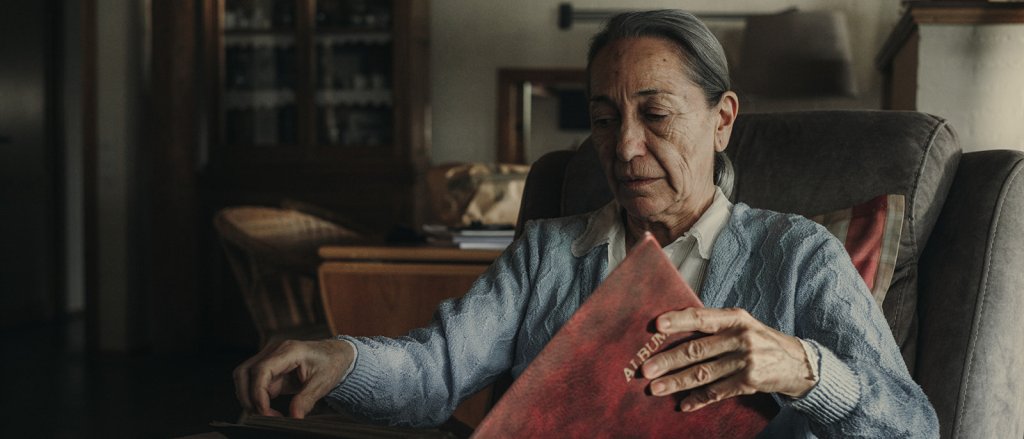
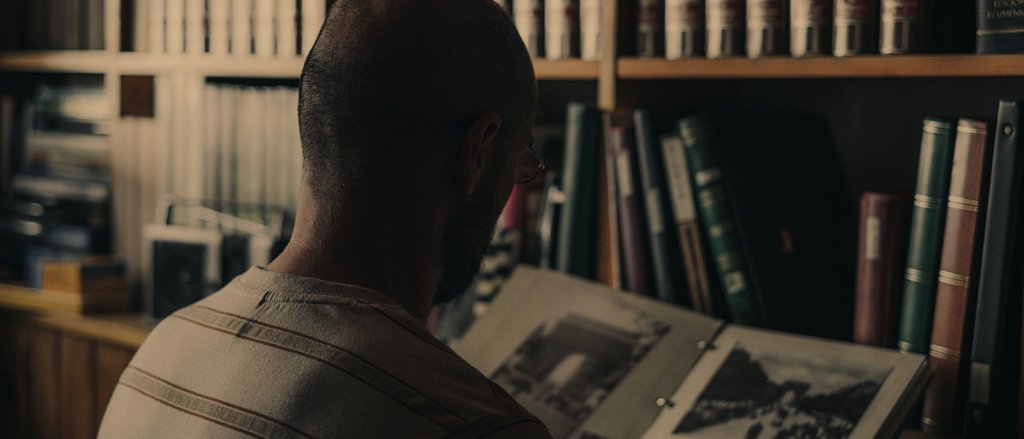
The film follows Jan (played with quiet depth by Alain Hernández), a son struggling to care for his mother, Angela (Luisa Gavasa), who has succumbed to the late stages of Alzheimer’s. The narrative, steeped in raw emotion, follows a day in Jan’s life as he attempts to bridge the growing chasm between himself and his mother, whose memories have nearly evaporated. The title Paris 70 alludes to a past trip that his parents shared, one of the few fragments of memory that still persists for Angela, but even this nostalgic reference proves fleeting.
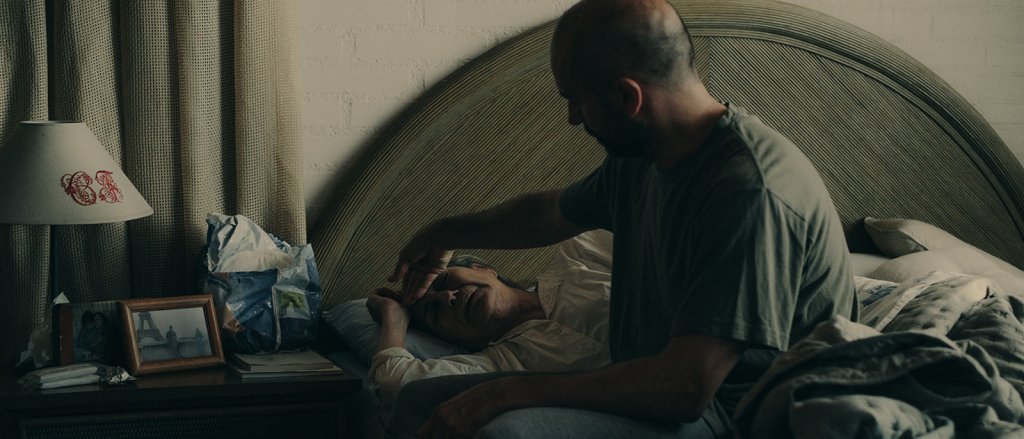
Feixas crafts an atmosphere that is somber yet deeply human, focusing not just on Angela’s confusion and disorientation, but on the toll it takes on Jan—the physical exhaustion and the emotional strain. The director skilfully uses silence, soft lighting, and a sparse but effective soundtrack to build a sense of growing isolation. There are no grandiose declarations of grief; instead, we see it in the small, almost imperceptible moments: the weariness in Jan’s eyes, the quiet way he holds his mother’s hand, the fragile hope that a shared memory might still spark a moment of connection.
The performances are nothing short of extraordinary. Alain Hernández’s portrayal of Jan is restrained yet deeply expressive, capturing the emotional turmoil of a son who is both a caregiver and a witness to the slow unraveling of his mother’s identity. Luisa Gavasa, a veteran actress with a celebrated career, imbues Angela with a tragic vulnerability, striking a delicate balance between confusion and the remnants of her former self. The two actors share an understated, aching chemistry that forms the heart of the film’s emotional impact.
Beyond its intimate character study, Paris 70 serves as a tribute to the often invisible work of caregivers. Feixas, drawing from his own family’s experience, gives a voice to those who selflessly dedicate themselves to the care of individuals with Alzheimer’s. Through the lens of Jan’s story, the film highlights the emotional and physical sacrifices made by caregivers, often without recognition or support. The film is a timely and necessary meditation on the importance of caregiving, shedding light on the often-overlooked realities of those who care for the elderly and infirm.
Visually, Paris 70 is stunning in its simplicity. The cinematography crafted by Biel Capellas is understated yet thoughtful and conveys the fragility of the film’s central relationship. Feixas’s direction is marked by an intimate approach allowing the viewer to feel as though they are stepping into Jan’s world, experiencing his pain, his moments of doubt, and his quiet endurance. The collaboration with healthcare and social care organizations such as SECPAL and Alzheimer Catalunya ensures that the portrayal of Alzheimer’s and caregiving is accurate and respectful, lending the film an added layer of authenticity.
As one of the most awarded short films of the year, Paris 70 has already garnered significant acclaim, and rightfully so. It’s a film that doesn’t just engage the mind but touches the heart in ways few films of its kind manage to do. It’s no surprise that Paris 70 has qualified for the 2025 Oscars®, and it’s a testament to the storytelling talents of Dani Feixas and his team.
Written by Milly Hardy
 FILM & TELEVISION BUSINESS