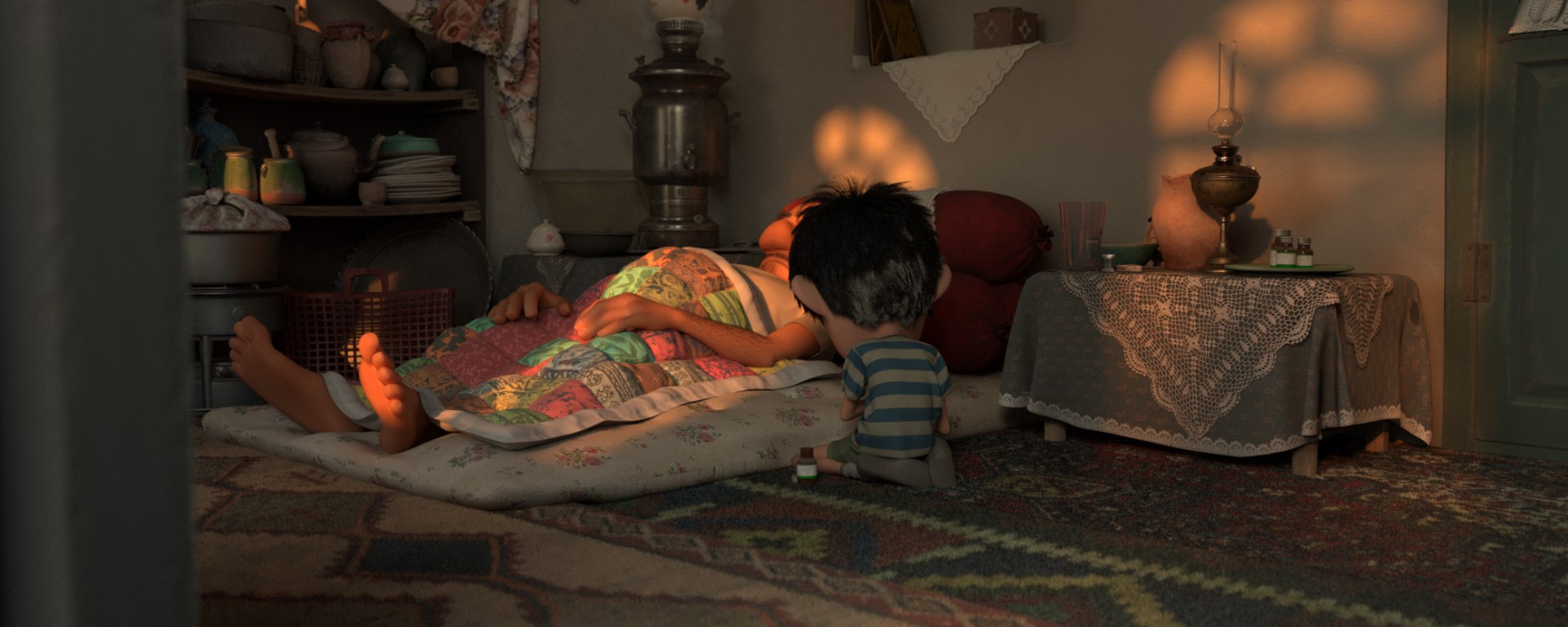
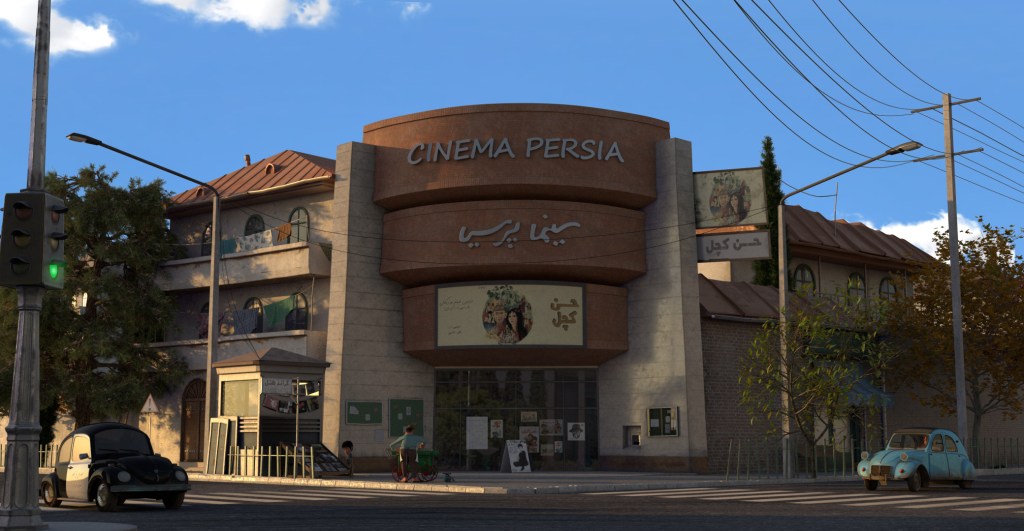
TOMORROW is an Oscar®-qualifying animated short from director Aryasb Feiz, set in 1970s Shiraz, Iran. The film follows a young boy who forms an unlikely bond with a stray dog, discovering resilience and friendship amid life’s hardships. With over 15 festival nominations and a win at the Foyle Film Festival, TOMORROW is a poignant exploration of human connection in dark times. Feiz, known for his viral hit MR. INDIFFERENT, brings his unique storytelling vision to life through stunning animation, highlighting the emotional depth of his characters.
What inspired the story of TOMORROW?
The inspiration for Tomorrow comes from my lifelong interest in moral dilemmas. In school, I remember thinking about questions like, “What would you do if you found a bag of money but needed it to help a sick family member?” These questions left a strong impression on me.
The main idea for the story came from a colleague’s experience: his son needed life-saving medication that he could only get illegally. This forced him to navigate the dark streets of Tehran and raised tough questions about the line between what is right and what is legal, and how far someone would go for their loved ones.
My love for thrillers turned Tomorrow into a tense story set in Iran, combining ethical challenges with suspense to make viewers think about their values and choices.
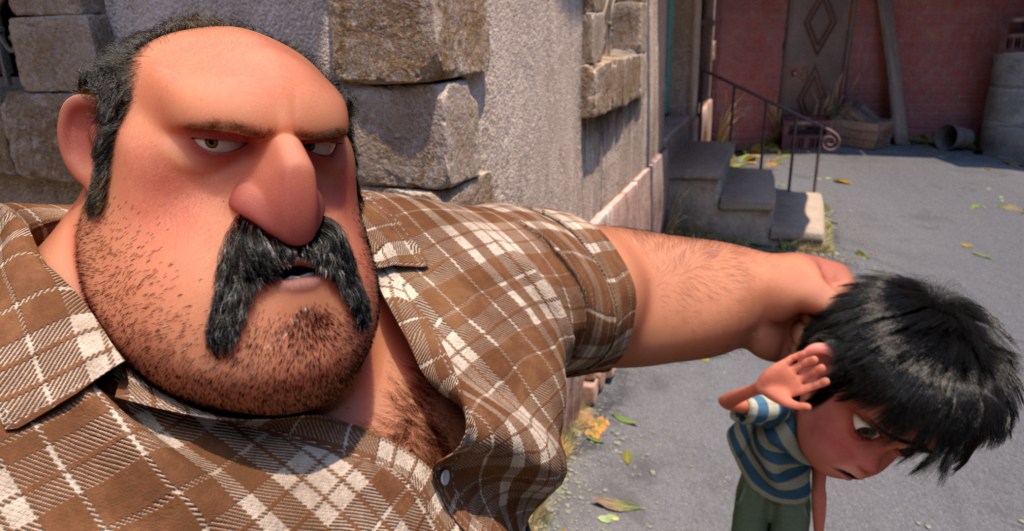
The film explores themes of survival and hope. Can you talk about why these themes are so important to you, especially in the context of childhood in Iran?
The themes of survival and hope mean a lot to me, especially when I think about growing up in Iran. Living in a society where many people are always trying to get by has left a lasting impact on me. Our country has a long history of facing tough times, but the effect on people, especially children, is significant.
Poverty has always hit me the hardest. It’s heartbreaking to see children who should be in school, playing, and learning, instead of working on the streets to help their families.
I think showing themes of survival and hope is important, not just to reflect the challenges people face, but to show the strength and resilience that can exist even in the hardest times. By telling these stories, I hope to create empathy and start conversations that can lead to change.

Can you walk us through the symbolism behind the film’s color palette and how it complements the narrative?
In designing the color palette, we aimed to capture the essence of Shiraz in the 1970s while enhancing the darker tone of the story. We contrasted the somber, shadow-filled interiors with the intense brightness of the outside world. For instance, the shop scenes use darker hues to create a sense of fear and tension, while the home is depicted with warmer tones, reflecting a sense of warmth yet tinged with sadness. The streets are bathed in sunlight, representing the harshness of the world, yet the boy and the dog seek refuge from it, often finding shade under a tree. These shaded moments offer a sense of calm amidst their chaotic lives, serving as key moments where their bond deepens.
What’s next for you after Tomorrow? Are there any future projects you’re excited about, or new themes you’re interested in exploring through animation?
After Tomorrow, I’m diving into several exciting projects. One of them is a feature film adaptation of a novel, and I’m also working on a pitch for an animated series I’ve been developing for several years. Additionally, I’m in the early stages of developing a short film, though I can’t share too many details just yet, as all of these projects are still in development. On top of that, I’m in the process of immigrating to the U.S., which adds another layer of complexity to my work. The challenge now is figuring out which of these projects will attract interest and investment, and I’m eager to see where these creative endeavors lead.
Finally, what do you hope Tomorrow leaves with its audiences after they’ve seen the film?
At its core, Tomorrow is a story about children whose childhoods are stolen by politics, ideologies, and poverty. I hope the film encourages audiences to reflect deeply on the lives of children, particularly those who grow up in challenging circumstances. I want viewers to be more aware of the struggles that many young people face and inspire a sense of empathy
 FILM & TELEVISION BUSINESS