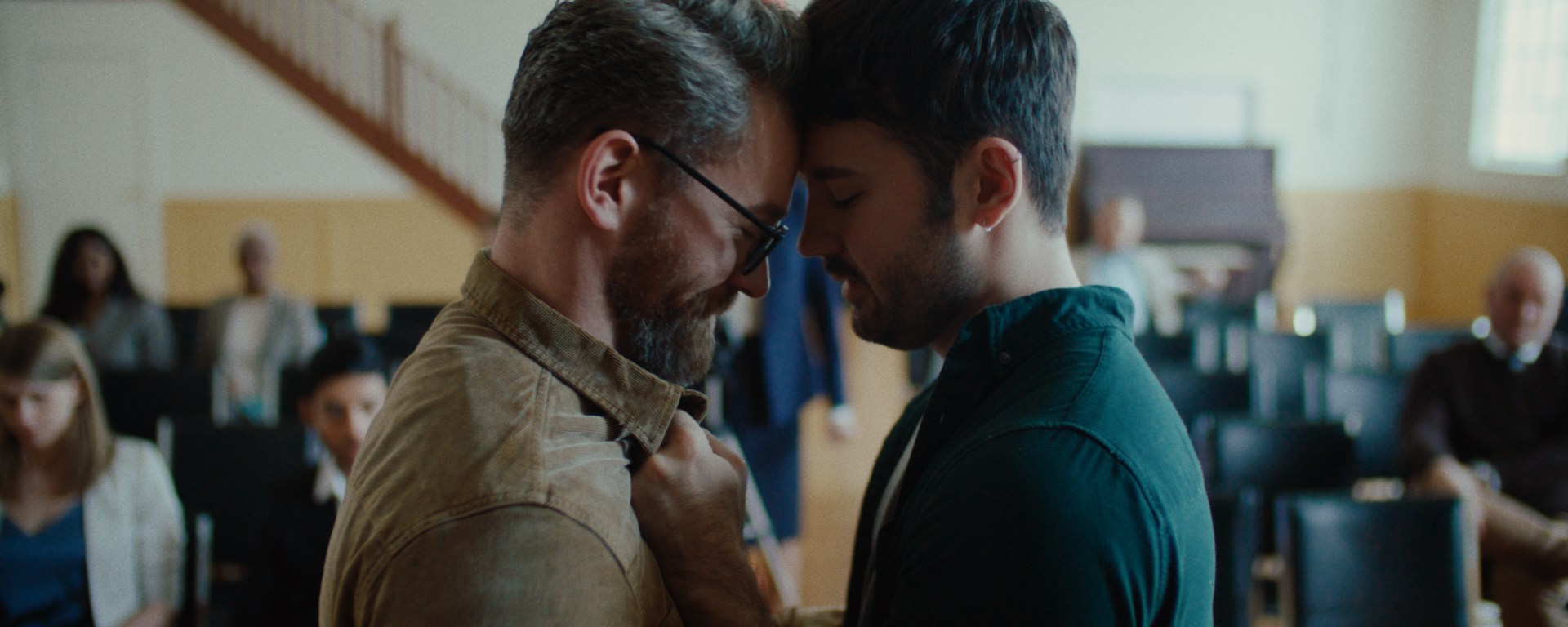
We had the pleasure of interviewing director Krit Komkrichwarakool on his short film AUGANIC, a captivating story about a queer couple whose bond is tested by an unexpected, otherworldly event. Krit shares insights into his creative process and the inspiration behind this beautifully unconventional film.
Given your experience in LGBTQ+ cinema, how do your experiences influence the storytelling techniques used in Auganic?
- Back when I wrote the script, I knew I wanted something different. When it comes to 2SLGBTQIA+ representation in the media, I felt we were pigeonholed into a limited number of stories, most of which focus on the darker and more traumatic experiences of our lives. They are very important discussions of course, but I believe we have more to offer than just our tragic stories. With Auganic, I sought something lighter—a more hopeful portrayal of our growing community. Our everyday lives can be just as captivating.
How did you approach the development of the two main characters and their emotional journey throughout the film?
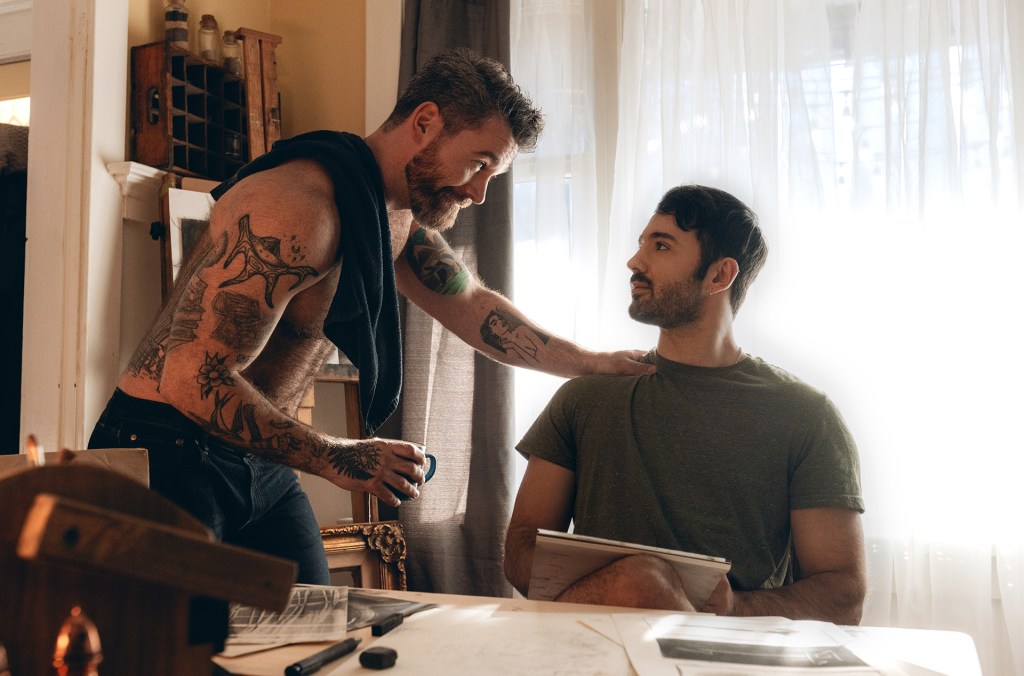
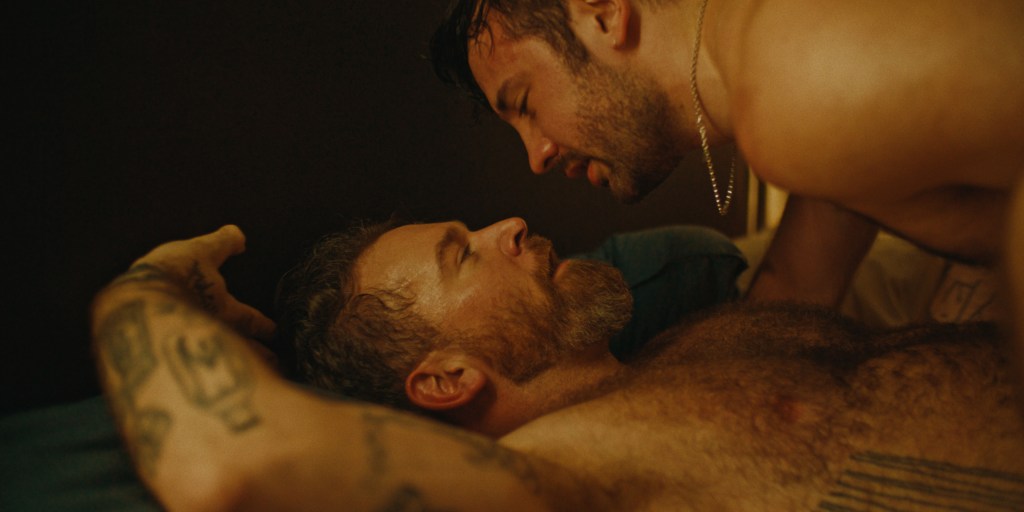
- There is a stark difference between Kai and Nick as individuals. Kai struggles with artist insecurity at the beginning of the film, and art was his primary focus. In contrast, Nick is more easygoing but also very practical. Because they have different views on Kai’s medical situation, they clash, and the underlying problems in their relationship come to the forefront. In that confrontational scene, I wanted to ensure that neither of them was right or wrong; it’s about how much they’re willing to find middle ground for their relationship.
LGBTQ+ narratives in film often explore identity, intimacy and love under socialpressures, what does Auganic bring to this conversation?
- One of the main themes of this film is the compromises within a relationship, and I think for queer couples, there’s a lot of nuance to this predicament. Oftentimes, queer individuals do not have the most uplifting childhoods and we grow up with walls built to protect us emotionally. Finding a partner who can be in tune with all that baggage can be really challenging. However, it’s also about the willingness to work through these issues together, and I hope the film shines a light on a more positive side of that dynamic.
How do you think the concept of ‘turning desire into gold’ challenges the typical notions of love and sacrifice in a relationship?
- Part of what I love about the magical realism genre is using fantastical concepts to explore human experience. The ideas of love and sacrifice can be surreal to discuss because of their intangible nature. So, the gold semen allegory, as whimsical as it sounds, makes their love and internal conflicts tangible—something they can touch and feel. The central question of the film is: what are they going to do with it?
What inspired the highly unusual concept of Auganic?
- During the pandemic, I struggled immensely as an artist. When things shut down, I felt I had to compromise my artistic values in some ways to make ends meet. However, I now look back at that moment differently. We all had to do things that might not align with our initial goals, and I found pride in those work. That period of time also allowed me to take a retrospective look at my relationships and my work, which became a pivotal moment for me. I wanted to incorporate some of that into the film while weaving in magical realism. I remembered a line from my dream journal that simply said, “A man who came gold.”, and I thought it was an interesting avenue to explore within the scope of this story.
How did you balance the fantastical and grounded aspects of human existence such as relationship dynamics and financial struggles?
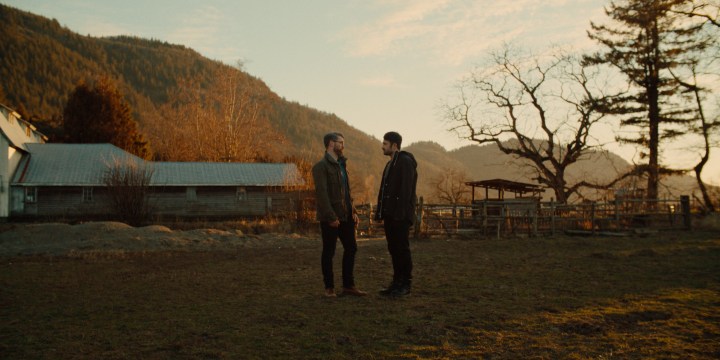
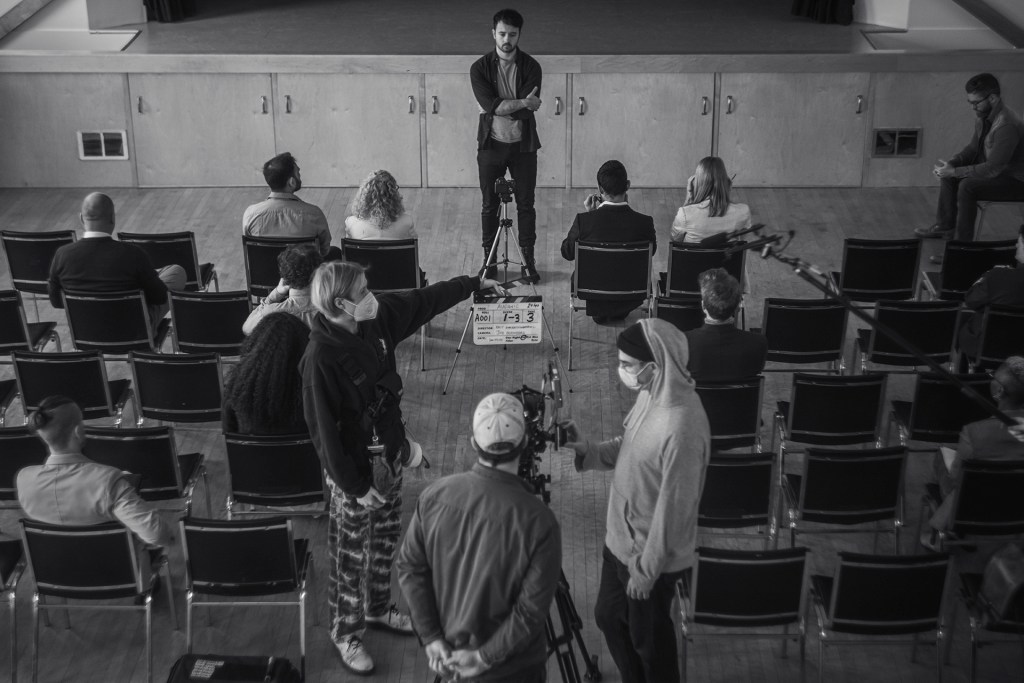
- The answer is actually in your question. We wanted to make sure that every detail felt as grounded as possible throughout this strange phenomenon. The film is set on a farm in a small town, and the narrative surrounding the situation is concise. The supporting characters react to the couple in humorously practical ways. We shot it in a very contained manner with as few shots as possible. So when we see the fantastical side of the film, it feels like something that could exist in real life, even though it very much cannot. We tried to present elements of truth through this magical story as much as we could.
Do you believe the world of cinema needs more LGBTQ+ films that border on the surreal or fantastical?
- Certainly. One of my goals as a filmmaker is to take queer narratives into as many genres as possible; right now, I’m particularly obsessed with sci-fi and magical realism. Our vibrant stories deserve to be told on a much broader scale. Maybe even as blockbusters one day.
What do you think stands out about Auganic that has led to the worldwide recognition that it has earnt?
- Honestly, I am quite shocked by where the film has ended up. When we started this, I really just wanted to make my queer short film and share it with people. I didn’t expect it to become what it has. I’m not entirely sure what stood out to the audience, but I hope it’s because the story touched them in some way and perhaps the unique concept caught their attention. I am grateful though, that our odd little film has been welcomed with open arms on so many occasions.
How has the journey of Auganic through the festival circuit and now up for Oscars consideration impacted you as a filmmaker?
- What I’m most thankful for are the connections I’ve made throughout this process. I’ve had the opportunity to meet so many inspiring filmmakers, programmers, press members, and people who I now consider mentors. It may sound a little cheesy, but I’m just happy to be here and enjoy the process. Who knows what will come from it? Good things, I hope.
Do you hope Auganic’s success will open doors for more thematically- diverse LGBTQ+ stories to be told.
- This is something I wrote down many years ago: I will only create what I wished to see when I was younger, especially while navigating my sexuality and insecurities. That’s what I’ve been doing as a filmmaker. If I can help one person feel a little less alone through the films I make, that’s the dream. So I hope Auganic can open even a small gap for other filmmakers to embrace their uniqueness and their quietness, to be proud of their odd visions, and to put them out there. You never know who will connect with your stories.
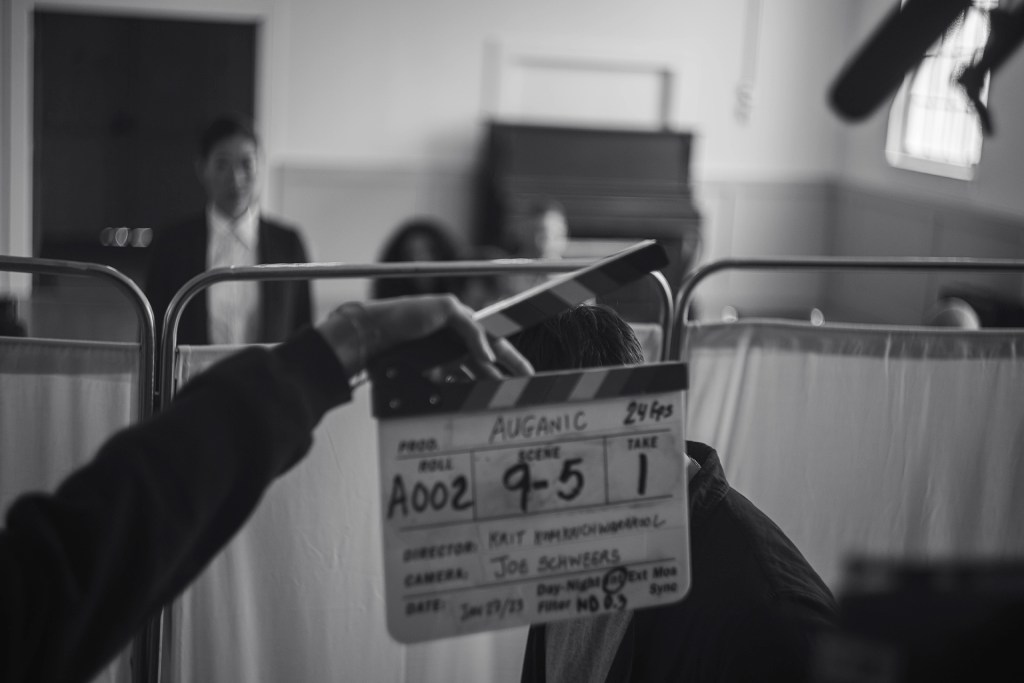
AUGANIC has qualified to be considered for the 2025 Academy® Awards.
 FILM & TELEVISION BUSINESS