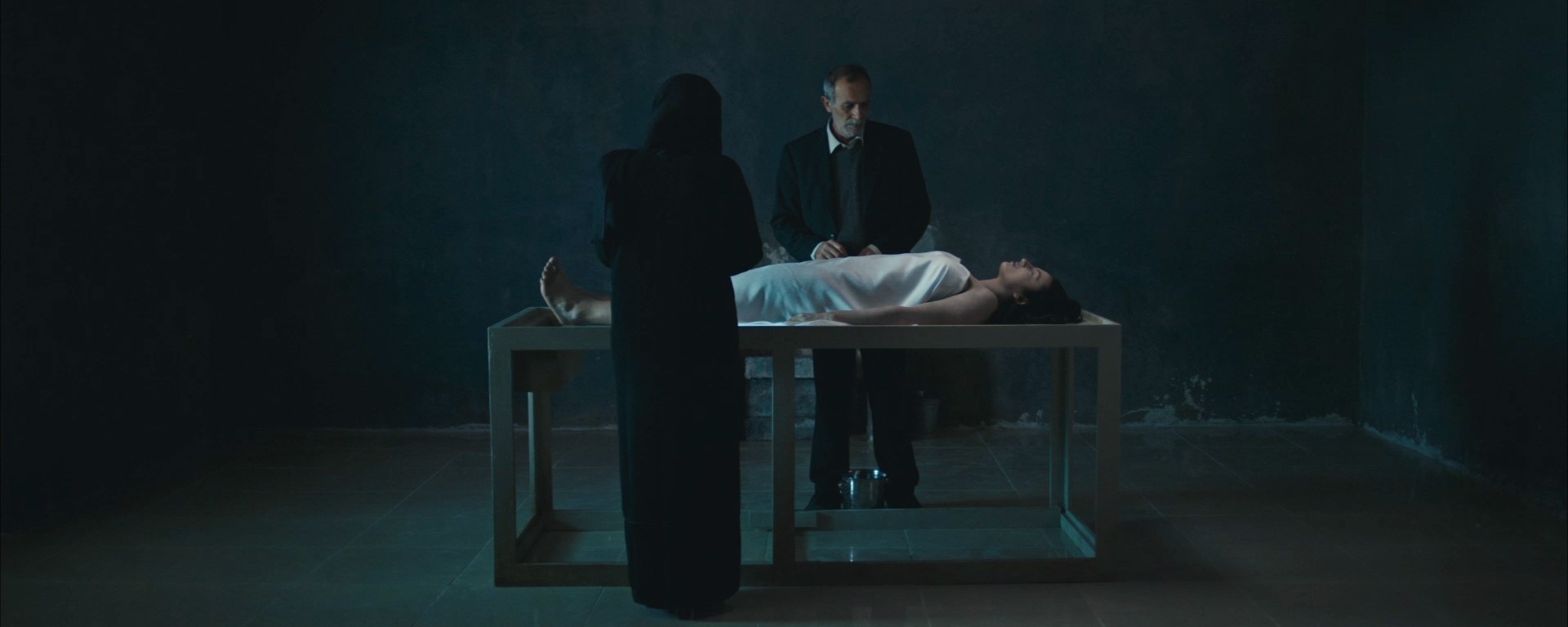

1. Was this a a story borne from a personal experience in your life?
In the film industry scene in my country, many of us lead double lives. We are open with each other; however, we find it difficult to be ourselves with our families. The more you get to know people, the more you hear heartbreaking stories.
Nevertheless, the main inspiration for our story, when my sister and I wrote the script, was Bousi, a transgender woman from the Middle East. She spent her entire life seeking approval and acceptance from her family, friends, and the wider community. Even though she received legal approval to transition, she was never able to obtain official gender recognition, which increased her vulnerability to systemic discrimination.
We wondered: What would happen to a transgender person upon their death? Would discrimination and non-acceptance still prevail?
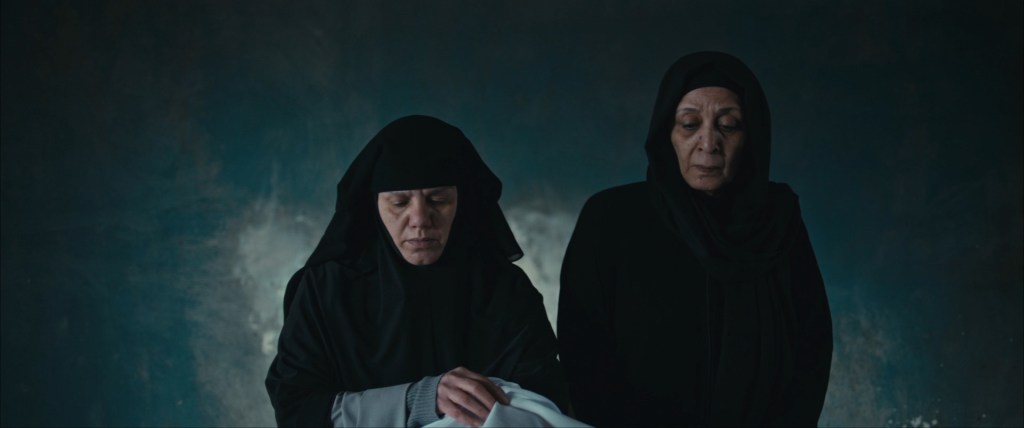
2. The story touches on many important topics, such as family-shame, Religious pressures etc..What do you think it is about this film that will hit audiences the hardest?
I genuinely believe that this film strikes a chord with audiences worldwide because its central theme revolves around a universal issue: non-acceptance. In an era when our world is interconnected, and diversity is the fabric of our existence, it’s paradoxical how difficult it can be for us to accept one another.
I genuinely believe that this film strikes a chord with audiences worldwide because its central theme revolves around a universal issue: non-acceptance
Every corner of the globe witnesses people facing discrimination based on factors like religion, sexuality, gender, and race. These injustices, unfortunately, can escalate to horrifying extremes, with tragic stories of lives lost due to prejudice. It’s baffling how some individuals go to extraordinary lengths to avoid acceptance, and this is exactly what the father did in the film.

3. How important was it to show the lengths the father goes to, in order to retain his family’s dignity in their community?
We aimed to depict the father’s struggle and immerse the audience in his journey. Despite the film’s short duration, our goal was to leave viewers awestruck. We sought to deliver a narrative that was hard-hitting and shocking, as a reflection of the harsh realities many people face in similar situations.
a reflection of the harsh realities many people face in similar situations.
4. What were the challenges, if any, that you faced in making this film?
There were countless challenges. We struggled to secure funds, grants, or investors due to the controversial nature of the topic. Several crew members were initially reluctant to work on the film after reading the script. Ultimately, I ended up self-funding the entire project, and I was fortunate to have a dedicated crew who believed in the story and volunteered their time. It was a passion project for every member of the team.
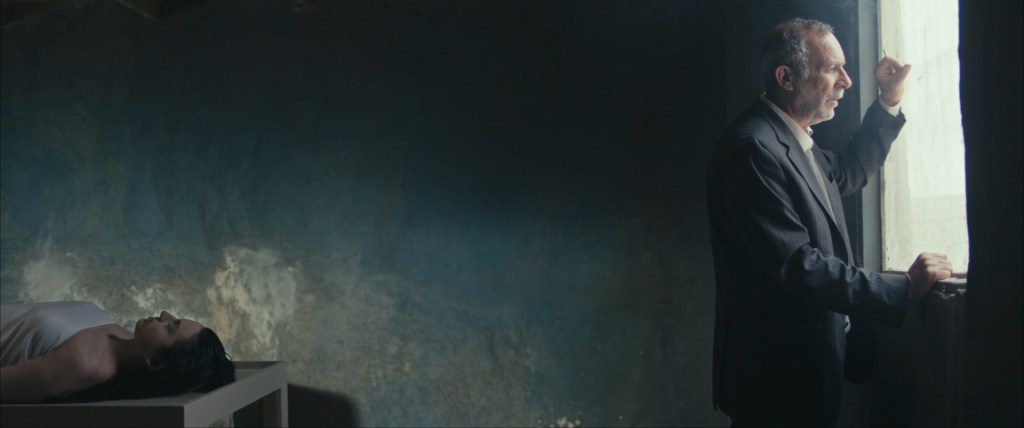
5. Would you wish to develop a feature length film of this nature, where perhaps we see what happens in the years leading up to the death of this transgender woman?
We actually have a feature script based on the short film, and it shares the same title. It’s currently in its early development stages, and yes, we intend to delve deeper into the daughter’s life. Similar to the short film, it also incorporates some shocking elements.
6. What is the main message contained within the film that you would want to convey to the audience?
Let’s stop wasting our full potential in the quest for acceptance. When everyone feels secure and accepted in their society, we can achieve remarkable and beautiful feats. The key is simple: accept one another.
Let’s stop wasting our full potential in the quest for acceptance.
 FILM & TELEVISION BUSINESS