
In an era when issue‑driven documentary cinema often teeters between advocacy and art, Nathan Fagan’s Inside, The Valley Sings stands out as a work of rare ambition and emotional clarity. With this animated documentary he offers us not merely a depiction of solitary confinement but an immersive journey into the mind of isolation.
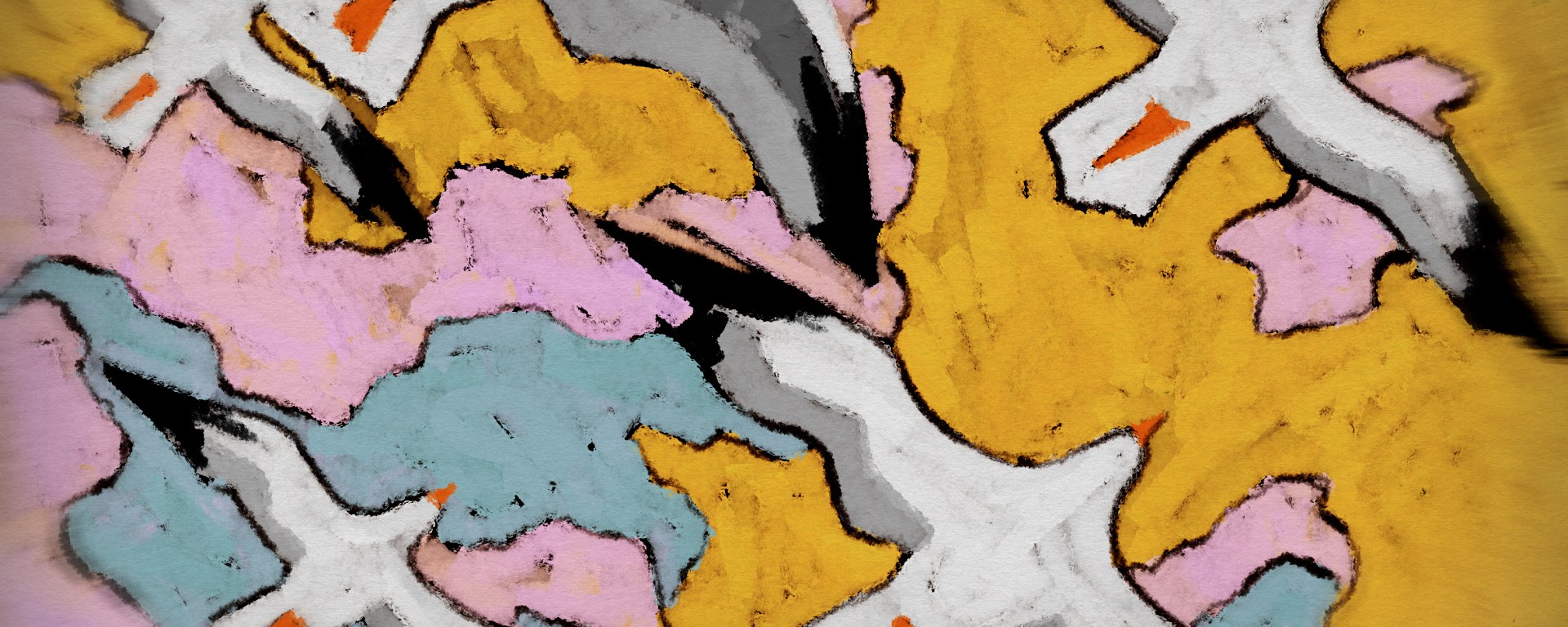
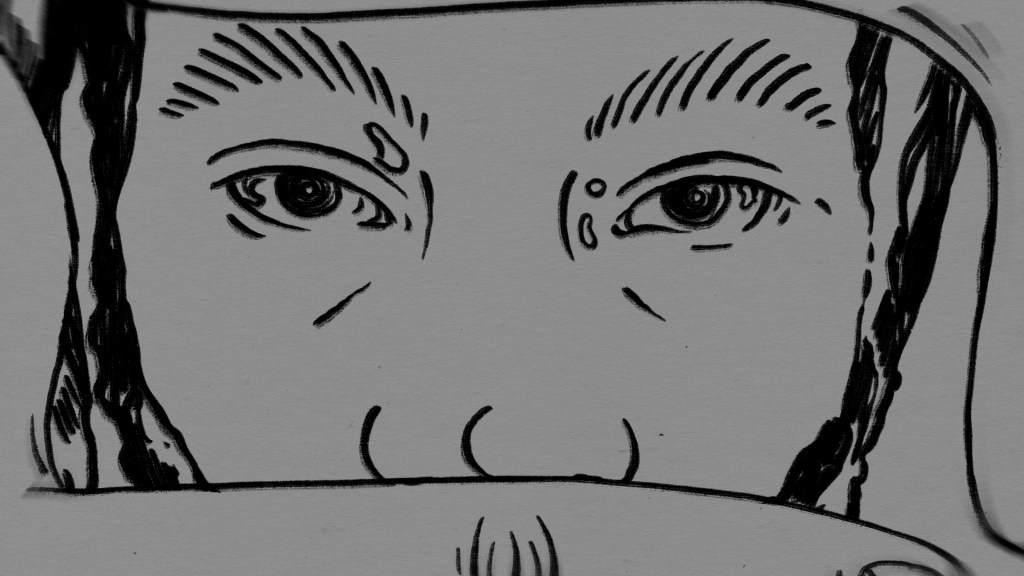
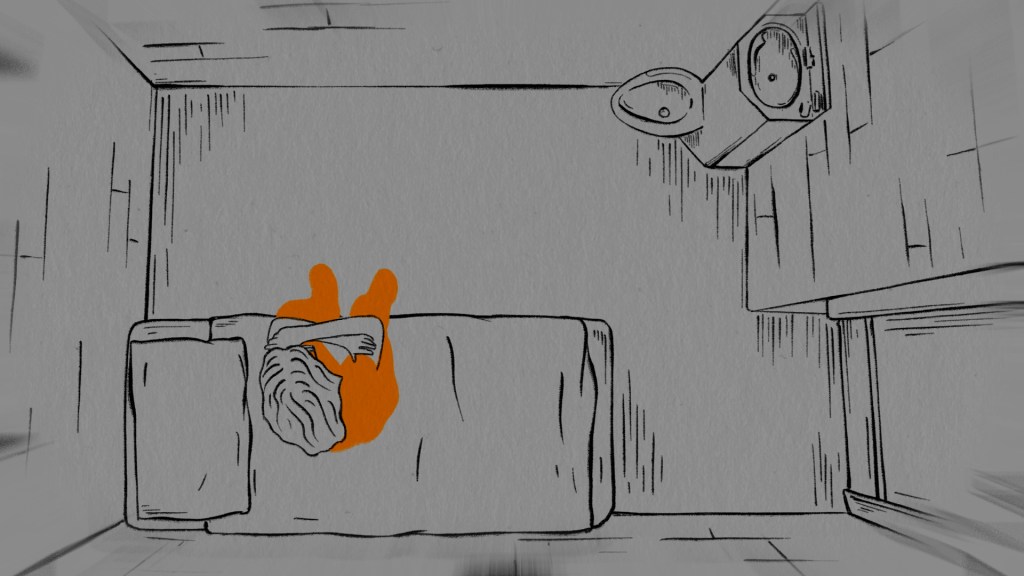
Rendered through the sinuous hand‑drawn animation of Natasza Cetner, the film transforms what could easily have been a clinical expose into something poetic and haunting. The visuals carry us through inner landscapes of memory and fantasy, as described by the three survivors whose testimonies form the backbone of the film allowing us to feel the weight of years of confinement, the collapse of time, the construction of alternate realities. The animation does more than show isolation; it conjures its texture, its emptiness, its trick of the mind.
Composer and sound‑designer Die Hexen’s soundscapes underscore this journey with subtlety. There is no hammering score, no cinematic theatrics: instead ambient hums, whispering silences, and aural spaces that echo the film’s themes of solitude and endurance. The voices of the survivors are never overwhelmed by flourish they are given space, dignity and weight.
What is remarkable is how Fagan balances aesthetic risk with moral seriousness. The film never sensationalises; it never reduces its subjects to victims. Instead, it honours their resilience, their interior lives, their ability to build worlds within walls. In doing so it invites broader reflection: on punishment, on human rights, on what happens when the mind is left to its own devices for years.
As a British‑audience viewer, there is something deeply resonant here. It’s not just a story of incarceration it’s a meditation on what happens when human connection is stripped away, when time stretches out and the only escape is within. With its Oscar®‑qualifying status now secured and the 98th Academy Awards® race looming, Inside, The Valley Sings deserves not only our attention but our advocacy. This is filmmaking that matters, not just for its subject, but for its formal courage and compassion.
Tara Brady
 FILM & TELEVISION BUSINESS