
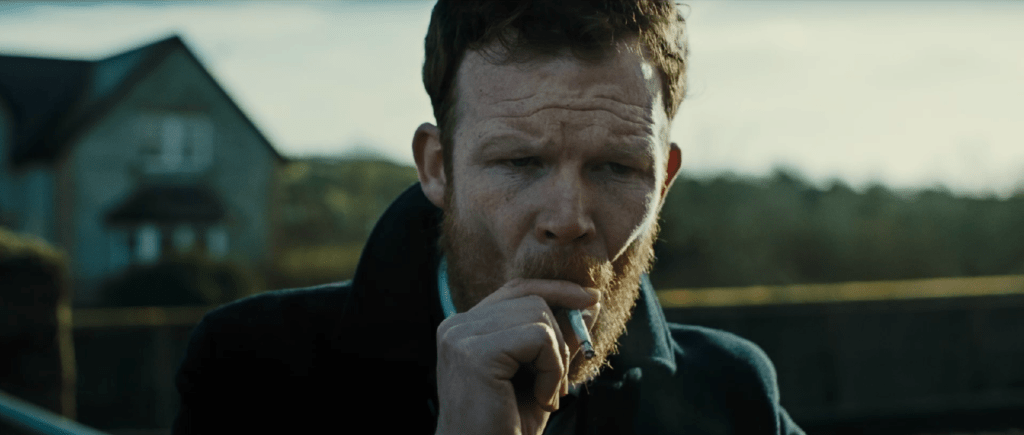

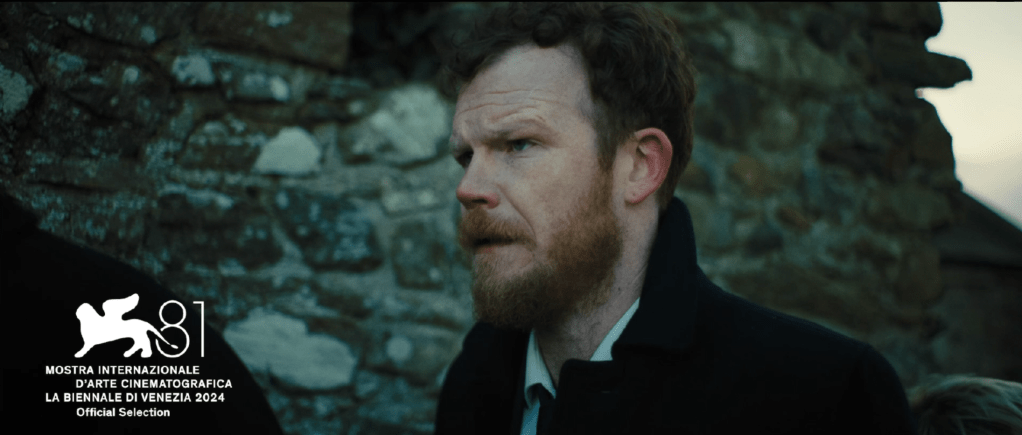
Short films rarely manage to feel as expansive, emotionally resonant, and thematically rich as Three Keenings, Oliver McGoldrick’s striking film, which has earned its place in the 98th Academy Awards® conversation for very good reason. In just 10 minutes, the film offers a full-bodied portrait of grief not as a solitary emotion, but as a communal experience shaped by history, culture, and performance.
The setting is key. We’re in rural Northern Ireland, in the quiet, rain-softened corners of the country where wakes still hold space for memory, myth, and ritual. It’s here that a struggling actor, played with aching vulnerability by BAFTA-winner Seamus O’Hara, finds work as a professional mourner. He enters homes of the bereaved to weep for strangers a role both ancient and oddly modern. What begins as a way to make ends meet soon becomes a journey through his own emotional architecture.
At the heart of this story is the almost-forgotten practice of “keening”: a communal expression of grief performed by non-relatives, dating back to Gaelic-Celtic funeral rites. It’s a tradition rooted in sound, sorrow, and shared pain. McGoldrick resurrects it here not as nostalgia, but as a lens for contemporary emotional alienation. How do we grieve when we no longer do it together? When ritual is lost, what fills the silence?
Shot with meditative grace by Swiss cinematographer Gianna Badiali and supported by a brilliant international team, the film moves like a prayer; mournful, rhythmic, and quietly transcendent. It is a work of immense cultural value, but also great narrative subtlety. Nothing is over-explained, and everything feels deeply felt.
Three Keenings is a reminder that cinema can be both a cultural artifact and a human lifeline. In reviving old forms, it creates something utterly new.
A masterclass in short-form storytelling. This is cultural memory brought vividly, mournfully, and magnificently to life.
Declan Reid
 FILM & TELEVISION BUSINESS